
How Do You Remove Adhesive From Fabric? Expert Guide 2026
A sticker on your new jeans. Dried craft glue on a favorite throw pillow. Mystery tape residue on a car seat cover. It happens to the best of us. If you’ve ever asked how do you remove adhesive from fabric without staining or shredding fibers, you’re in the right place. I’ve spent years testing removers, home hacks, and laundry steps to find what works fast and what ruins a good shirt. Below, I break down simple steps, smart tools, and a top product to make stubborn glue disappear with less stress.
[3-product-listings-blocks]
How Do You Remove Adhesive From Fabric

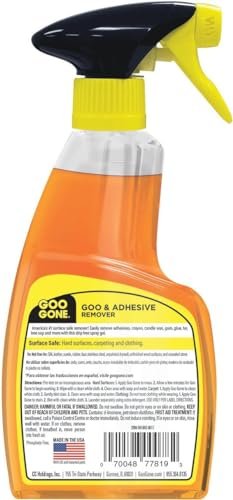
Goo Gone’s Spray Gel is the one I keep in my laundry room and under the sink. The gel clings to sticky spots, so it stays on the glue instead of soaking into the fabric. How Do You Remove Adhesive From Fabric breaks down sticker residue, tape gunk, gum, candle wax, and even tree sap. It also wipes clean from hard surfaces, so you can use it on more than clothes.
On fabric, I spray, wait a minute or two, and then blot and lift with a spoon or dull knife. The gel loosens the bond without rough scrubbing, which protects fibers. I rinse with warm water and follow with a normal wash. The light citrus scent fades after laundering, and I’ve had great luck on cotton, denim, and many synthetics when I test first.
Pros:
- Clings to residue so it doesn’t soak into fabric
- Breaks down many adhesives, from labels to tar
- Works on fabric, carpet, and hard surfaces
- Citrus-based formula is easy to rinse
- Reduces heavy scrubbing and fiber damage
Cons:
- May leave an oily spot if you skip the rinse/wash
- Always test; delicate fibers like silk may be risky
- Scent can linger before washing
My Recommendation
If you want a simple, fast answer to how do you remove adhesive from fabric, this gel is my top pick. It holds on to sticky messes long enough to break them apart, even on stubborn duct tape residue. I like it for family life, craft clean-up, and seasonal label changes. It saves time, and it saves clothes I would have tossed.
Use it when you need a broad fix that handles many glue types. It pairs well with a spoon for scraping and a quick wash cycle for a clean finish. If you do a lot of DIY, deal with gum or sap, or handle kids’ uniforms and costumes, it will pay for itself fast.
| Best for | Why |
|---|---|
| Sticker and tape residue on clothing | Gel clings and dissolves tacky glue for easy lift |
| Mixed messes on fabric and hard surfaces | One product works on clothes, carpet, and counters |
| Quick fix when time is short | Spray, wait a minute, blot, rinse, then wash |
Your Complete Guide: How Do You Remove Adhesive from Fabric, Step by Step
I’ve tested many methods on many fabrics. The right move depends on both the adhesive and the fabric. If you’re asking how do you remove adhesive from fabric without damage, start with a plan and a test. Here’s the simple flow I use.
Quick Decision Flow
- Identify fabric: cotton, denim, polyester, nylon, spandex, wool, silk, acetate, blends.
- Identify adhesive: sticker/tape glue, hot-melt glue, super glue, fabric glue, gum, wax, sap, tar.
- Choose method:
- Freeze for gummy messes (gum, wax, hot glue blobs).
- Heat for hot-melt residue (clean lift with warm iron and paper).
- Solvent for stubborn tack (citrus remover, rubbing alcohol, mineral spirits, acetone as last resort).
- Soap and water for PVA and water-based craft glues.
- Always test on a hidden seam before you commit.
The Universal Steps
- Test: Dab your chosen remover on a hidden spot. Watch for color bleed or fiber weakening.
- Remove solids: Use a spoon, dull knife, or credit card to lift any chunks.
- Choose freeze or heat: Freeze to make the mess brittle. Or use gentle heat for hot-melt glues.
- Apply solvent sparingly: Blot, don’t flood. Work from the outside in to prevent spreading.
- Blot and lift: Use clean white cloths or paper towels. Rotate to a clean area as you lift residue.
- Rinse: Warm running water removes the loosened adhesive and solvent.
- Pre-treat and wash: Use liquid detergent on the spot. Wash by care label. Air dry and check. Heat from the dryer can set stains that remain.
Choosing the Right Method by Adhesive Type
1) Sticker and Price Tag Residue
Sticker glue is a pressure-sensitive adhesive. It softens with oil, citrus, or alcohol. The wrong move is to pull hard and smear it deeper into the weave.
- Scrape gently with a card to lift the top layer.
- Apply a citrus remover like Goo Gone Gel. Wait one to two minutes.
- Blot and lift. Rinse, then wash on warm if fabric allows.
- If no citrus remover, try rubbing alcohol on cottons and many synthetics. Test first.
2) Tape Residue (Duct, Athletic, Painter’s)
Duct tape leaves a waxy, rubbery tack. Athletic tape is similar. Painter’s tape leaves lighter residue.
- Warm the area with a hair dryer to soften. Don’t overheat.
- Peel slowly. Keep the angle low.
- Blot with citrus remover or mineral spirits on thick residue. Test on synthetics.
- Rinse and wash. Repeat if needed before machine drying.
3) Hot Glue (Craft Glue Sticks)
Hot-melt glue softens with heat. But once it cools, How Do You Remove Adhesive From Fabric can chip off if you freeze it. I pick one path based on the blob size.
- For blobs: Place the item in a freezer bag. Freeze 30 minutes. Crack and flake off with a spoon.
- For smears: Place a paper bag or clean paper towel over the spot. Press a warm iron over it. Lift and move to a clean section. Repeat until gone.
- If residue remains, use a small amount of citrus remover, then wash.
4) Super Glue (Cyanoacrylate)
Super glue hardens fast. How Do You Remove Adhesive From Fabric bonds with fibers. The classic solvent is acetone. But acetone can melt or damage acetate, triacetate, modacrylic, and some elastics. Always test first.
- Freeze and chip away what you can.
- Dab acetone on a cotton swab from the back side. Work slowly. Keep the area small.
- Blot and lift softened glue. Rinse well.
- Wash and air dry. Repeat if needed.
Tip: If you are unsure about acetone and the fabric label says “acetate” or “triacetate,” stop. Ask a dry cleaner for advice.
5) Fabric Glue (PVA, EVA, Acrylic Blends)
Many fabric glues are water-based when wet and cure to a flexible film. Once dry, they are tougher but still respond to time and the right remover.
- Soak in cold water with a bit of liquid detergent for 30–60 minutes.
- Gently rub the fabric against itself to loosen film edges.
- Use a citrus remover for stubborn edges. Test first.
- Rinse and wash. Avoid dryer heat until you’re sure it’s gone.
6) Rubber Cement and Contact Adhesives
These often respond to mineral spirits or citrus removers. Some may stain delicate fibers if overused.
- Ventilate the area. Use gloves.
- Apply a small amount of mineral spirits or citrus remover. Blot and lift.
- Rinse well with warm water and a drop of dish soap.
- Wash and air dry.
7) Gum and Candy Goo
Freeze. Don’t heat. Cold makes these brittle and easy to crack off.
- Ice cube or freezer for 20–30 minutes.
- Chip away with a spoon or dull knife.
- Use citrus remover or rubbing alcohol for any sticky film.
- Rinse and wash with an enzyme detergent.
8) Candle Wax
Wax is not a glue, but it behaves like a sticky seal. Heat lifts it into paper. Then deal with dye.
- Place paper towels on both sides of the fabric.
- Use a warm iron to melt the wax into the paper. Keep moving to a clean section.
- Treat any dye stain with oxygen bleach (color-safe), if safe for the fabric.
- Wash and air dry.
9) Tree Sap and Tar
These are tough, resin-heavy messes. Citrus removers and mineral spirits work well.
- Apply citrus remover. Let it sit for a few minutes.
- Blot and scrape gently.
- Use dish soap to break oily residue. Rinse well.
- Wash on warm if safe for the fabric.
Choosing the Right Method by Fabric Type
Fabric matters as much as the glue. Some fibers swell. Some dyes bleed. Ask how do you remove adhesive from fabric by fabric, not just by mess. Use this quick guide.
Cotton and Denim
- Handles heat and most solvents well.
- Test for dark dye bleed. Use white cloths for blotting.
- Dish soap, alcohol, or citrus removers are safe when you rinse and wash.
Polyester, Nylon, and Most Synthetics
- Resist water and some solvents. Can be slick.
- Test citrus remover. Alcohol often works for light tack.
- Do not overheat; synthetics can warp under high heat.
Spandex and Elastane Blends
- Sensitive to acetone and high heat.
- Try citrus remover or rubbing alcohol first. Test slowly.
- Air dry and check stretch recovery.
Wool
- Delicate. Can felt with heat and friction.
- Use cold methods. Freeze for gum or wax blobs.
- Spot clean with mild detergent. Consider professional cleaning for big spills.
Silk
- Very delicate. Color can bleed.
- Avoid strong solvents. Test citrus remover with extreme care.
- Blot, don’t rub. Professional help may be best.
Acetate and Triacetate
- Do not use acetone. It can dissolve the fiber.
- Use citrus remover or alcohol sparingly. Test first.
- Keep heat low. Air dry only.
How Do You Remove Adhesive from Fabric with Household Items?
You do not always need a specialty remover. If you’re in a pinch, these common items can help. I still test in a hidden spot first.
- Ice cubes or the freezer: Freeze gum, wax, and hot glue blobs for easier chipping.
- Dish soap: Works on water-based glues and oily residue when used with warm water.
- Rubbing alcohol (isopropyl): Good for sticker glue on many fabrics. Evaporates fast.
- White vinegar: Helps with light tack and deodorizes. Less effective on heavy rubbery residue.
- Baking soda paste: Gentle scrub for light film on cotton and denim.
- Baby oil or cooking oil: Loosens tack, but follow with dish soap to cut the oil.
- Hair dryer and brown paper bag: The classic move for wax and hot melts.
How Do You Remove Adhesive from Fabric Without Leaving a Stain?
The trick is control. Solvents can leave oily halos if you flood the area. Heat can set dye. I keep these habits.
- Apply remover to a cloth first, then to the fabric. That stops oversoaking.
- Work from the outside in. That keeps the stain from spreading.
- Rinse before you wash. Rinsing stops the solvent from redepositing.
- Air dry and inspect. Heat sets stains. If you still see residue, repeat the steps.
Real-World Scenarios and Exact Fixes
Scenario 1: Price Tag Residue on a Cotton Tee
You pull off the tag and it leaves a shiny patch. I dampen a cloth with rubbing alcohol, dab the area, and lift slowly with a card. Then I rinse the spot and wash with my normal detergent. It takes two minutes.
Scenario 2: Duct Tape Gunk on Work Pants
I warm the patch with a hair dryer. I peel back at a low angle. Then I spray a little Goo Gone Gel and wait one minute. Blot, rinse, and wash warm. That heavy residue comes off clean.
Scenario 3: Hot Glue on a Canvas Tote
If it’s a thick blob, I freeze it and flake it off. For smears, I use a brown paper bag and a warm iron. I press and lift, repeating until the paper stops picking up glue. Then I spot-treat with dish soap and rinse.
Scenario 4: Super Glue on Jeans
I chip off what I can. I use a cotton swab with acetone from the back side of the fabric. I blot as the glue softens. Then I rinse and wash. If your jeans have stretch, test first. Acetone can be rough on elastane.
Scenario 5: Sap on a Car Seat Cover
I remove the cover if possible. I apply a citrus remover and wait. I blot, then scrub gently with dish soap and a soft brush. Rinse and air dry. If needed, another quick pass finishes it.
Mistakes to Avoid
- Don’t rush to the dryer. Heat can set both glue and solvent stains.
- Don’t rub hard. You will fuzz the fabric and embed the adhesive deeper.
- Don’t skip the rinse. Solvents can redeposit if left in the fibers.
- Don’t use acetone on acetate, triacetate, or modacrylic. It can ruin the fabric.
- Don’t assume “natural” means safe. Citrus and oils can still stain delicate fabrics if not rinsed.
How Do You Remove Adhesive from Fabric on Delicate Items?
Gentle fabrics need gentle moves. If I value the item highly, I test more than once. I avoid high heat and strong solvents. For silk, wool, and vintage items:
- Freeze and flake for gums and waxes. It’s low risk.
- Use mild dish soap and cool water. Soak, don’t scrub.
- Try a tiny amount of citrus remover on a cotton swab. Dab and lift, then rinse.
- If the fabric looks stressed or color shifts, stop and consider a trusted dry cleaner.
How Do You Remove Adhesive from Fabric When You Travel?
Sticker on a new shirt while on a trip? Here’s a quick kit:
- Mini bottle of rubbing alcohol
- Travel-size dish soap
- Plastic card (hotel key works great)
- Small resealable bag for spot soaking
I dab alcohol, lift with the card, rinse in the sink, then wash the spot with a drop of dish soap. Air dry. It’s fast and light to carry.
Do You Need an Adhesive Remover, or Will DIY Work?
Both paths work. If you ask how do you remove adhesive from fabric with the best odds on the first try, a dedicated remover is smart. A gel formula adds control. If you prefer DIY, start with alcohol and dish soap. If the mess laughs at that, step up to a citrus remover.
Care Labels and Safe Temperatures
Always read the care tag. It tells you heat limits and cleaning methods. Here’s how I interpret them:
- Machine wash cold: Use cold water for soaking and rinsing. Keep heat low for ironing.
- Hand wash: Avoid heavy scrubbing and wringing. Be gentle.
- Dry clean only: You can try freeze-and-flake for blobs. For solvent work, ask a cleaner.
- No bleach: Stick to oxygen bleach if the fabric allows and only for dye stains after adhesive removal.
How Long Should You Let a Remover Sit?
Time matters. Too short, and you waste effort. Too long, and you risk an oily ring.
- Citrus remover: 1–3 minutes is plenty for most residue.
- Rubbing alcohol: 30–60 seconds on fabric, then blot and reapply if needed.
- Mineral spirits: 1–2 minutes with good ventilation.
- Acetone: Work in small dabs with cotton swabs. Don’t soak.
Removing Adhesive from Special Items
Upholstery and Couch Covers
- Test first in a hidden corner. Dyes can bleed.
- Use gel removers to avoid drips. Blot with white cloth.
- Rinse with a damp cloth and a drop of dish soap. Repeat.
- Air dry. A fan helps.
Car Seats and Strollers
- Remove covers if possible. Check the manual.
- Use citrus remover sparingly. Keep it off straps and buckles.
- Rinse and wash per label. Air dry for safety.
Sports and Performance Fabrics
- Beware of acetone and high heat. Elastics can deform.
- Rubbing alcohol or citrus remover works on tape glue.
- Rinse and wash with a sports detergent to remove odors and residue.
How Do You Remove Adhesive from Fabric: A Simple Cheat Sheet
- Gum or wax: Freeze, chip, then wash.
- Sticker glue: Alcohol or citrus remover, blot, rinse, wash.
- Duct tape gunk: Warm with dryer, citrus remover, blot, wash.
- Hot glue smear: Warm iron with paper, lift, wash.
- Super glue: Freeze, dab acetone (test!), rinse, wash.
- Sap: Citrus remover, dish soap, rinse, wash.
Why Gel Beats Liquid for Fabrics
When I test removers, gel wins on fabric for two reasons. It stays on the spot, and it reduces spread. Liquids can wick into fibers, which makes halos and push the glue deeper. Gel grips the mess and buys you time.
Safety Tips You Shouldn’t Skip
- Test every time. New fabric, new dye lot, new risk.
- Ventilation. Even citrus smells strong in small rooms.
- Gloves. Keep solvents off your skin.
- Keep heat low. Use warm, not hot, irons and hair dryers.
- Rinse before you wash. This single step prevents most rings and re-deposits.
How Do You Remove Adhesive from Fabric with Kids and Pets at Home?
I look for low-odor, rinseable products and short contact times. Keep supplies out of reach. Work in a kitchen or laundry space with a fan or open window. After removal, run one extra rinse cycle if the item is for a toddler or a pet bed.
Testing for Colorfastness
Here’s my quick test for dye safety:
- Choose a seam allowance or hem. It should be hidden.
- Press a white cotton swab dampened with the remover onto the spot for 15 seconds.
- Check the swab. If dye transfers, stop and try a milder method.
If You’re Still Stuck: When to Call a Pro
Some fabrics and glues are risky together. If the item is expensive or sentimental, a good dry cleaner can help. Bring the care tag and, if you can, the product label that caused the problem. The more they know, the better the outcome.
How Do You Remove Adhesive from Fabric and Keep It Looking New?
Easy. Use the least aggressive method that works. Limit friction. Use gel where possible. Rinse, then wash by the care label. Air dry and check. Two careful passes beat one harsh pass every time.
Eco and Skin-Sensitive Options
Concerned about scent or skin? Look for citrus-based removers with low VOC claims and rinse instructions. You can also start with alcohol or dish soap, which rinse clean. For scent, a second wash cycle or a baking soda rinse helps.
Budget Tips
- Try rubbing alcohol first. It’s cheap and effective on many glues.
- Save paper bags from groceries. They are perfect for wax lifting.
- Use a gift card or hotel key as a scraper.
- Buy a gel remover for the “hard cases” so you use less product.
FAQs Of how do you remove adhesive from fabric
Will adhesive removers damage fabric color?
They can if the dye is not stable. Always test on a hidden seam. If color transfers to a white cloth, switch to a milder method.
Can I use acetone on any fabric?
No. Avoid acetone on acetate, triacetate, modacrylic, and some elastics. Test first. Use citrus remover or alcohol instead.
How do I stop an oily ring after using a remover?
Rinse the area with warm water before washing. Then pre-treat with liquid detergent. Air dry and check before using the dryer.
What if the adhesive is old and very dry?
Use freeze-and-flake to remove bulk. Then apply a gel remover and let it sit 2–3 minutes. Blot, rinse, and wash. Repeat if needed.
Can I put the item in the dryer after treatment?
Not until the stain is gone. Heat can set residue. Air dry and inspect first.
Final Verdict: Which Should You Buy?
If you want one reliable answer to how do you remove adhesive from fabric, go with a gel remover. Goo Gone Spray Gel sticks to the mess and lifts it fast.
Use alcohol or dish soap for light jobs. For tough residue, the gel saves time and fabric. It is my first pick for home, crafts, and family gear.
It cleans surface dirt without stripping protective layers, but don’t expect it to remove old wax. Perfect for maintenance between deep cleans, keeping your finish fresh and safe.
Think of this as precision resurfacing for cloudy headlights.
Wipe or liquid kits, paired with multi-grit sanding and lubricant, remove oxidation layer by layer—then seal the surface for lasting clarity. Minimal tools. Maximum visibility.
If your headlights look aged but the car runs fine, this is the smart cosmetic fix before replacement.
✨ AutomotiveBoss.com features headlight restoration kits that restore clarity fast—clear lights, safer drives, instant resale boost.
Decal removal feels risky, but with the right technique, it’s a safe procedure.
Proper heat control, gentle lifting, and quality adhesive removers protect paint and prevent sticky residue—whether the vinyl is fresh or sun-baked for years. Skill, not force, delivers a clean finish.
If you want zero-damage removal with showroom results, follow proven methods.
🚗 AutomotiveBoss.com shares expert-tested decal removal strategies that keep paint flawless and stress-free—remove with confidence, preserve your shine.