“Brake oil car” usually means brake fluid and caliper lube for safe stopping.
You press the pedal, expect the car to slow, and hear a squeal. Or worse, the pedal feels soft at the top. That sinking feeling is real. The right brake oil car—your brake fluid plus a proper brake assembly lubricant—can fix noise, restore pedal feel, and protect parts. I wrote this guide to keep it simple. I cover what to buy, how to use it, and how to avoid common mistakes. I also review a proven product that stops disc brake squeal and protects hardware. If you want quiet, strong, repeatable stops, you’re in the right place.
[3-product-listings-blocks]
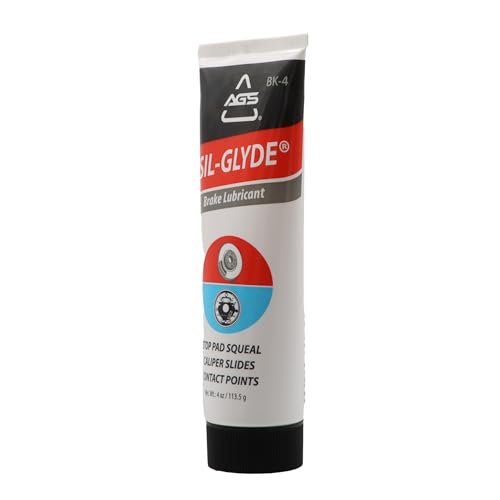
AGS SIL-Glyde Silicone Brake Assembly Lubricant

brake oil car
This silicone-based brake assembly lube is a quiet-brake staple. It helps stop disc brake squeal and keeps hardware moving right. The formula resists heat, water, and road salt. It does not eat rubber boots or plastic parts, and that matters a lot. I use it on pad backing plates, caliper slide pins, and abutment clips. brake oil car spreads smooth and stays put, even after hard stops. brake oil car also helps prevent rust lock on pins and clips. If your car sings at stops, this brake oil car is a quick win.
Pros:
- Silicone base is safe on EPDM rubber boots and ABS seals
- Resists wash-off from water, snow, and road brine
- Helps stop pad squeal and low-speed chirps
- Stays stable across wide temps (from deep cold to hot rotors)
- Prevents corrosion on pins, clips, and shims
- Thick enough to stay put; spreads thin for clean work
- Great for slide pins that tend to seize in winter
Cons:
- Not a brake fluid; do not put it in a master cylinder
- Can attract dust if over-applied on exposed areas
- Tube can be messy without gloves or a small brush
My Recommendation
If you hear squeal after a pad change, start here. This lube fixes the most common cause: dry or corroded hardware. It is also ideal for drivers who see winter salt or rain. I like it for daily cars, light trucks, and SUVs.
It is not a “brake oil car” in the sense of hydraulic fluid. But it pairs with your brake fluid service to make the whole system quiet and smooth. Use it on every pad job, and you cut noise callbacks and pad edge wear. brake oil car also protects boots and prevents frozen pins, which saves calipers.
| Best for | Why |
|---|---|
| Eliminating brake squeal | Silicone film dampens vibration and stops pad chatter |
| Winter and wet climates | Moisture-proof, resists salt and wash-off |
| Protecting rubber boots | Safe on EPDM rubber; no swelling or softening |
What “brake oil car” really means in 2026
People say “brake oil car,” but cars do not use oil in the hydraulic side. They use brake fluid. Most systems today use DOT 3, DOT 4, or DOT 5.1. DOT 5 is silicone and is not compatible with most ABS cars.
Brake fluid moves force from your foot to the calipers. It must handle heat and absorb some moisture. It also must protect seals and metal parts. If brake oil car fails, the pedal gets soft, or fade creeps in on long hills.
Brake fluid types and which to choose
DOT 3: Good for basic driving. Dry boiling point is around 401°F. Wet boiling point is lower. It is fine for many older cars that see light use.
DOT 4: Better for heat. Dry boiling point is often around 446°F. It also has a higher wet boiling point than many DOT 3 fluids. Most modern cars call for DOT 4 for added margin.
DOT 5.1: Non-silicone, high-performance glycol fluid. Dry boiling point can be near 518°F. It is thin in cold weather and works with ABS and ESC. It mixes with DOT 3 and DOT 4, but I still flush when I upgrade.
DOT 5 (silicone): Not hygroscopic. It is not for most ABS systems. It is used in some classic cars that sit long. Do not add DOT 5 to a system made for DOT 3, DOT 4, or DOT 5.1.
How “brake oil car” protects you
Brake fluid absorbs water over time. That lowers the boiling point. When you brake hard, the system can boil and form vapor. Vapor compresses. The pedal drops, and you lose bite. Good brake oil car choice prevents that. brake oil car also resists rust in lines and calipers. It keeps seals healthy. It protects ABS valves, which are expensive to fix.
How often to change brake fluid
Most makers today list two to three years. Some say every 20,000 to 45,000 miles. I check fluid condition each oil change. I test moisture with a brake fluid tester as well.
If fluid looks dark, feels dirty, or moisture is high, I flush. If I tow, drive in mountains, or track, I flush more often. Fresh fluid helps ABS and ESC react fast and smooth.
Signs you need a brake fluid service
Soft pedal. Long pedal travel. ABS light after hard use. Dark or brown fluid in the reservoir. These are red flags.
If the pedal firms up after pumping, that can also be air. Air can enter during pad push-back or a poor bleed. Moisture also can boil and mimic air in the system.
How to check brake fluid right
Park on level ground. Use a clean light. Look at the reservoir markings. The fluid should be between MIN and MAX.
Do not open the cap just to look. The cap seals out moisture. If you must open it, clean around it first. Dirt in the reservoir can clog ABS valves.
How to top up without trouble
Use the fluid grade on the reservoir cap. Stick to the spec. Do not mix DOT 5 with DOT 3, DOT 4, or DOT 5.1.
Use a clean, sealed bottle. Wipe the spout. Do not pour back unused fluid. brake oil car can pull moisture from the air. Dispose of it properly if left open too long.
How to flush brake fluid at home
You can do a gravity bleed, two-person bleed, vacuum bleed, or pressure bleed. The pressure method is clean and steady. I like a quality pressure bleeder for ABS cars.
Start at the wheel farthest from the master cylinder. Check your car’s pattern. Keep the reservoir filled. Do not let it run dry, or you pull air into the ABS unit.
Bleed until clean fluid flows. Watch for bubbles. Tap the caliper with a rubber mallet to free trapped air. Tighten bleeders to spec and cap them.
Using brake assembly lubricant the right way
Brake assembly lube is not a hydraulic fluid. It never goes in the master cylinder. It is for pad ears, abutment clips, and slide pins. It stops noise and helps parts move.
With AGS SIL-Glyde, use a thin coat on clean parts. Do not coat friction faces or rotors. Stay off pad chamfers and pad surfaces. A little goes a long way.
Common mistakes I see in the shop
People mix DOT 5 with DOT 4. They also open fluid bottles and reuse them months later. That adds water and kills performance. Another mistake is using grease that swells rubber.
Many skip cleaning abutment clips and pad lands. Rust grows and binds the pad. The pad then sticks and squeals. Good lube and clean parts fix this.
Safety rules you should follow
Brake fluid eats paint. Cover fenders and clean spills at once. Wear gloves and eye protection. Keep fluid off your skin and out of your eyes.
Use jack stands on solid ground. Never trust a jack alone. Torque lugs to spec. Pump the pedal before your test drive to seat pads and push pistons out.
How “brake oil car” affects ABS and ESC
ABS and ESC need clean, correct fluid. Old fluid can gunk valves and slow solenoids. That makes stops longer and stability control late.
Use DOT 4 or higher if your car calls for it. Flush on schedule. Your emergency stops will feel clean and controlled. The wheel pulses will be crisp.
Braking in heat, cold, and mountain roads
Heat kills weak fluid. Long grades can boil old fluid and cause fade. If you live in mountains, use fresh DOT 4 or DOT 5.1. It adds margin for long descents.
Cold weather thickens some fluids. DOT 5.1 is thin in cold and works well for ABS. If your winters are harsh, this helps. Pair it with silicone lube on pins to stop freeze-up.
Track days and spirited driving
If you hit the track, upgrade fluids. High-spec DOT 4 or 5.1 with high dry and wet boiling points helps a lot. Bleed before and after events.
Use track-grade pads and rotors as well. And keep pad hardware clean and lubed with a proper product. AGS SIL-Glyde works for the hardware side even under high temps.
What does “wet boiling point” mean?
Brake fluid absorbs water in normal use. Over time, this lowers the boiling point. The “wet” boiling point is the temp with some water in the fluid.
That is the real-world number that matters. It protects on long hills and hot days. Stick to fresh fluid and you keep that margin strong.
Does fluid color tell the whole story?
No. Dark fluid often means old or heat-stressed fluid. But some fluids darken faster without losing all strength. That is why I also test moisture with a tool. If in doubt, change brake oil car. Fluid is cheap. Calipers, ABS pumps, and lines are not. Fresh fluid is peace of mind.
Can I mix brands?
If the fluid meets the same spec (DOT 4, for example), you can mix in a pinch. But I still recommend a full flush. Mixed fluids can have different add-packs.
Stick to a trusted brand and spec. That makes pedal feel and ABS action more consistent. Keep records of what you used and when.
What about “lifetime” brake fluid claims?
I do not buy it. Real-world use adds moisture and heat cycles. That changes the fluid. It also adds corrosion risk.
As of 2026, most experts still recommend two to three years. That keeps the wet boiling point high. It also protects expensive parts.
Do hybrids and EVs need fluid changes?
Yes. Regenerative braking reduces pad wear. But the hydraulic system still works for friction stops and emergencies. The fluid still takes on moisture.
Change it on time. It protects the ABS, the booster, and the calipers. Quiet hardware still needs lube to keep pins and clips happy.
How to stop brake squeal after a pad job
Clean the pad lands and abutment clips. Remove rust and scale. Fit the clips tight. Use a thin coat of silicone lube on moving points.
Check pad fit. Pads that bind will squeal. Make sure the shim stack is correct. Consider chamfered pads if your car is prone to noise.
Why silicone lube beats petroleum grease here
Most caliper boots are EPDM rubber. Petroleum grease can swell that rubber. Swollen boots leak and let in water. The pin then rusts and sticks. Silicone lube is safe on EPDM. brake oil car stays stable in heat and cold. It resists wash-off. This is why I use silicone on pins and hardware.
DIY tools I keep for brake work
Pressure bleeder, clear bleed bottle, and box-end wrenches. Torque wrench for lugs. Brake cleaner and wire brush. A small nylon brush for lube work.
I also keep a brake fluid tester, catch pan, and rubber caps for bleeders. Good lighting helps, too. A neat workspace prevents mistakes. Safety matters more than speed.
Shop costs vs. DIY savings
A shop brake fluid flush can cost $90 to $180, sometimes more. A DIY pressure bleeder pays for itself in two flushes. Fluid itself is not pricey.
A good brake assembly lube tube is cheap and lasts years. It can prevent a $200 caliper from sticking. That is real savings. Quiet brakes also feel like a new car.
How to store brake fluid
Keep it sealed and dry. Store in a cool place away from sunlight. Label the date opened. Do not use a bottle that sat open for months.
Brake fluid pulls in water from the air. That lowers its boiling point. Best practice is to buy small bottles. Use them up in one job.
Environmental disposal
Do not dump brake fluid down drains or on the ground. Take brake oil car to a local hazardous waste site. Many parts stores accept it.
Keep it away from kids and pets. The same goes for used rags. Seal them in a bag until you can dispose of them right.
My expert checklist for any brake job
- Confirm fluid spec and plan a full flush if it is old
- Inspect hoses for cracks, bulges, or leaks
- Clean pad lands, clips, and bracket grooves
- Use silicone lube on pins, pad ears, and contact points
- Torque hardware to spec and seat pads before road test
- Bed in pads per maker steps to limit noise and glazing
Buyer’s guide: choosing the right brake oil car
Start with your cap spec: DOT 3, DOT 4, or DOT 5.1. Pick a brand that lists dry and wet boiling points. Higher is better for heat and safety. If you tow or see mountains, pick a higher wet boiling point.
For the hardware side, use a silicone brake assembly lube. Make sure it is safe on EPDM rubber. brake oil car should resist water and high heat. One tube should cover many jobs.
Real-world scenarios and what I use
Daily driver in flat land: Quality DOT 4 and silicone lube on pins and ears. Flush every two years. That keeps the pedal firm and quiet.
Mountain driving or towing: High-wet-boiling-point DOT 4 or 5.1. Flush before long trips. Check pads and rotors for heat cracks. Use silicone lube on all hardware.
Track day: High-temp performance fluid with very high dry and wet points. Bleed before and after. Silicone lube on hardware. Check torque hot and cold.
Brake pedal still soft after a flush?
Check for air trapped in the ABS unit. Some cars need a scan tool to cycle valves. That clears air pockets. Then bleed again.
Also check hose swell and caliper seal roll. Old rubber can flex and hide air. Replace weak hoses and bleed. The pedal should be firm and linear.
Why your new pads squeal at low speeds
At walking speeds, pad vibration is most likely. Lack of lube on abutment clips is a top cause. Rust under clips can also bind pads.
Clean, lube, and re-seat. Use a thin film like AGS SIL-Glyde on contact points. Avoid lube on pad surfaces. Road test and bed the pads right.
How to bed in pads for quiet stops
Do several medium stops from 30 mph down to 5 mph. Do not come to a full stop. Let the brakes cool while driving at speed. Repeat a few sets.
This lays an even transfer film on the rotors. It reduces noise and judder. Do not overdo hard stops at first. Heat management is key.
Do ceramic pads need special fluid?
No. The pad compound does not change the fluid spec. Follow the car maker’s spec on the cap. Choose a fluid with strong wet boiling point for long life.
Ceramic pads are quieter and cleaner. But they still need clean hardware and lube. The right brake oil car setup supports both noise control and pedal feel.
Can I use copper anti-seize instead of silicone lube?
I avoid it on slide pins and rubber areas. Copper anti-seize can dry out and is not rubber-safe. Pins and boots need silicone-based lube.
If you use anti-seize at all, keep it off rubber and pins. A small touch on the back of shims is enough. Silicone lube is the safer broad-use choice.
Troubleshooting uneven pad wear
Inner pad worn more than outer? Check for a seized slide pin. Clean and lube with a silicone grease. Replace torn boots and bad pins.
Outer pad worn more? Sticking abutment points are likely. Clean rust under clips. Use a thin silicone film on pad ears. Verify caliper pistons move free and return smooth.
Telltale smells and what they mean
Burning smell after a hill? You may have cooked the fluid or glazed pads. Let it cool. Test pedal feel. If it is soft, flush the fluid soon.
Harsh metallic screech all the time? Pads may be at the wear indicator. Inspect now. Do not delay. Metal-on-rotor can add big costs fast.
Winter maintenance tips
Rinse the underbody when salt is heavy. Salt attacks hardware and pins. Silicone lube helps, but washing adds protection.
Check boots each oil change. Fix tears fast. Keep a small tube of silicone lube on hand. brake oil car takes minutes to treat noisy hardware.
Fleet and rideshare tips
Heavy stop-and-go adds heat cycles. Short trips pull in moisture faster. Test fluid every six months. Flush to keep the wet boiling point strong.
Use silicone lube at every pad swap. Train techs on thin, even application. This cuts comebacks and shrinks downtime. Quiet brakes mean happy riders.
Performance upgrades without breaking the bank
Start with fresh DOT 4 and clean, lubed hardware. That alone can transform pedal feel. Add quality pads and slotted rotors if needed. Do not skip the basics.
Good brake oil car choices build the foundation. Then upgrade lines and pads as goals grow. Test one change at a time. That shows what helps most.
FAQs Of brake oil car
Is “brake oil car” the same as brake fluid?
Yes, most people mean brake fluid. Cars use brake fluid, not engine oil, in the brake hydraulics.
Can I mix DOT 3 and DOT 4?
You can in a pinch, but a full flush is best. Always follow the spec on the cap.
How often should I replace brake fluid?
Every two to three years for most cars. Shorten the interval for towing or mountain driving.
Will silicone brake lube stop squeal?
Often, yes. Use it on pad ears, clips, and slide pins. Keep it off pad faces and rotors.
Is DOT 5 safe for ABS?
Usually, no. DOT 5 is silicone and not for most ABS systems. Use DOT 3, DOT 4, or DOT 5.1 per spec.
Final Verdict: Which Should You Buy?
For most drivers, pair the right brake fluid with a quality silicone hardware lube. AGS SIL-Glyde is my pick to stop squeal and protect pins and clips.
Choose a brake oil car fluid that meets your cap spec and has a strong wet boiling point. Keep the hardware clean and lubed, and your stops will stay quiet and sure.
Think of this as targeted therapy for a stressed transmission.
A single bottle of Lucas Oil 10009 Transmission Fix helps reduce slipping, quiets rough shifts, and restores smoother operation—no teardown, no drama.
If your transmission feels off but isn’t ready for surgery, this is the smart first treatment.
⚙️ AutomotiveBoss.com recommends proven fixes that buy time and improve performance—pour it in, feel the difference, drive on.