
Liquid Glass Coating for Cars – Ultimate Paint Protection & Gloss.
You want your car to look new. You also want rain, grime, and salt to slide off with ease. That is what a liquid glass coating for cars does. It puts a clear, tough shell on the surface. The shell laughs at water and dirt. liquid glass coating for cars also make cleaning fast and safe. If you have dealt with haze, wiper chatter, or a dull shine, you know the pain. A good coating solves that in one go. It is simple to apply, yet it gives pro-level results. That mix of ease and strength is why so many drivers now choose it.
[3-product-listings-blocks]
Cerakote Ceramic Glass Coat Protectant

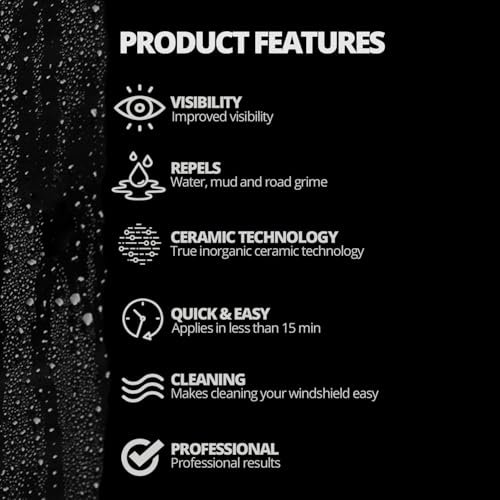
This is a liquid glass coating for cars that is built for your glass. It uses a ceramic blend to create a clear, hydrophobic layer. The layer pushes water away and keeps rain beads moving. That means better view, less wiper use, and safer drives in storms.
The kit is simple. Clean the glass. Apply. Let it flash. Buff it off. You can do it in your driveway with basic tools. The slick feel starts right away. In wet weather, you will see beads fly at speed.
Pros:
- Strong hydrophobic action that clears vision in rain
- Fast, simple application with clear steps
- Durable layer that holds up to regular wiper use
- Improves night driving by cutting smear and glare
- Makes bugs, sap, and frost easier to remove
- Ideal for windshields, side glass, and mirrors
Cons:
- Not made for paint; it is for glass only
- Heavy wiper pressure can shorten life
- Needs careful prep to avoid high spots or haze
My Recommendation
If you drive in rain, snow, or slush, this is a smart pick. It is a focused liquid glass coating for cars that need clear glass over all else. It works for daily drivers and highway commuters. It also helps older cars with worn wipers. The result is a cleaner shield that stays slick for months.
I suggest it for anyone who wants fast results. The kit is easy. liquid glass coating for cars has a great force-to-benefit ratio. You will feel the difference on your next drive. If you want less stress in storms, start here. The value is strong, and liquid glass coating for cars is often in stock.
| Best for | Why |
|---|---|
| Daily commuters in rainy areas | Beads water fast and cuts wiper use at speed |
| Night drivers | Reduces smear and glare for clearer sight lines |
| Cold climates | Makes frost and ice easier to release from glass |
What is a liquid glass coating for cars?
It is a clear, liquid layer that bonds to your car. It uses silica, siloxane, or similar chemistry. Once it cures, it forms a thin, hard shell. The shell is slick, glossy, and water-repellent. On paint, it boosts shine and makes washing easy. On glass, it keeps water moving and keeps the view clean.
You can put it on paint, trim, and glass, but always check the label. Some formulas are made for paint. Some are made for glass. A liquid glass coating for cars often uses SiO2 or polysilazane. These are the same families used in pro ceramic coats. The difference is in thickness, solvent type, and how long they last.
Liquid glass vs wax vs sealants
Wax looks warm. It smells nice. But liquid glass coating for cars washes off fast. Sealants last longer than wax. They are based on polymers. They give better beading. But their bite is still light compared to modern coats. A liquid glass coating for cars beats both for life and slick feel.
The reason is in the bond. Ceramics and glass-like coats cross-link as they cure. They tie into the pores of the surface. This makes a denser shield. That shield fights UV, rain, and road film better. It also keeps its shine after many washes.
How long does a liquid glass coating last?
Life depends on many things. Surface type, prep, weather, and how you wash the car. On glass, a quality coat can hold strong for months. Windshield wipers shorten that timeline. On paint, a mid-grade liquid glass coating for cars can last six to twelve months with good care. Pro-grade can last longer.
Cleaning style matters. Harsh soaps and rough towels will cut life. A pH-neutral wash is best. Avoid harsh abrasives. Avoid gas station brushes. If you keep it simple, the coat rewards you with time saved and a strong gloss.
How liquid glass coatings work on glass
Glass is smooth but not perfect. It has tiny pits from sand and wiper wear. A glass coating fills micro pores. It builds a thin hydrophobic layer on top. That layer makes water gather into round drops. The drops fly away as the air pushes them across the shield. You see more of the road and less of the smear.
The same layer also helps oil and bug guts release easier. It cuts the stick. You still need to clean. But the effort drops. On long trips, you spend less time scrubbing the windshield at fuel stops.
Step-by-step: Apply a liquid glass coating for cars (glass)
Good prep is half the job. Follow this simple plan. Keep each step slow and neat. The results will show.
First, wash the glass with a quality glass cleaner. Use fresh, lint-free towels. Remove oil, haze, and road film. If your glass has hard water spots, use a safe water-spot remover. If the glass is old and rough, use a light glass polish to clear wiper marks.
Dry the surface. Wipe with isopropyl alcohol mixed with water (about 20-30% alcohol). This removes last traces of oil. Now apply the coating. Use a foam applicator or the pad in the kit. Glide in straight lines. Use thin, even layers. Less is more. Let it flash as the directions say. Then buff off with a clean towel.
Do a second layer if the brand allows it. Wait the listed time between coats. Avoid water for the first day. Avoid wipers for the first day. Give the layer time to set. Once cured, enjoy the bead show on your next drive.
Step-by-step: Apply on paint (if the formula allows)
Some liquid glass products are for paint. If yours is, prep is key. Wash the car with a strong pre-wash. Decontaminate with iron remover and a clay bar. Polish to remove swirls. Wipe with alcohol mix. Then coat.
Apply in small panels. Watch for rainbow or haze. That means it is ready to buff. Work panel by panel. Use new towels often. Let it cure. Keep it dry. This routine gives you high gloss and a slick touch. Your next wash will be faster than ever.
Real-world driving notes
I rely on this kind of coating in heavy rain. It helps in mist, spray, and storms. At highway speeds, the water clears fast. I still use the wipers at low speed, but less at speed. Fatigue drops when I do night drives in the rain. The view is calmer. That matters on long trips.
I also like the winter gains. A liquid glass coating for cars helps with frost, slush, and road salt. Ice bonds less. I spend less time scraping. I use less washer fluid. It is not magic, but it helps every day. That is the value I look for.
Maintenance tips for longer life
Wash with a pH-neutral soap. Use soft wash tools. Rinse well. Dry with a clean towel or a blower. Do not use harsh glass powders. If you use a bug remover, rinse fast and well.
Top up with a compatible spray sealant if the brand allows it. Some glass coatings work best alone. Others like a topper. Read the label. If you see the water behavior fade, do a light clean and reapply a thin layer. Small touch-ups keep life strong.
Common mistakes to avoid
Do not apply in direct sun or on hot glass. The layer can flash too fast. This leaves high spots or haze. Do not use dirty towels. They can scratch and leave lint in the coating.
Do not skip the alcohol wipe. Oils will block the bond. Do not rush your buff off. Use slow, even passes. Flip the towel often. Give the coating time to cure. The first day is key for the bond.
Buying guide: What to look for in 2026
Pick the right surface match. Some coats are for paint only. Some are for glass only. A few do both, but they may not excel on both. For windshields, choose a dedicated glass formula. liquid glass coating for cars will bond better and last longer under wipers.
Check durability claims. Look for real test time under wipers. Marketing can hype “years,” but wipers are harsh. A realistic glass life is measured in months. Also look for ease of use. Clear steps, good pads, and fair work time help you get a clean finish. Finally, seek a brand with strong support and clear safety notes.
Is “9H hardness” real?
You may see “9H” on some labels. This refers to a pencil hardness test on cured films. It is not a full scratch-proof claim. It does not mean diamond-like hardness. It means the film resists a 9H test pencil under set force.
On glass, the benefit you feel is slickness and less stick. On paint, you get better mar resistance during washing. A liquid glass coating for cars helps protect, but it is not a force field. Good wash habits still matter a lot.
Graphene, silica, and hybrid coats
Modern coats can blend SiO2, siloxanes, and fluoropolymers. Some add graphene oxide. The goal is slicker feel, better water contact angles, and simple use. In my use, the main win still comes from prep and proper cure.
Pick a stable, proven blend over hype. A liquid glass coating for cars should focus on bond, slickness, and simple care. If a brand nails those, the label buzzwords matter less. Your daily drive will tell you the truth fast.
Weather and climate notes
In hot sun areas, watch cure times. Work in shade or in the morning. On cold days, extend your flash and cure windows. Read the temp and humidity ranges on the label. Stay inside those lines for best results.
In sandy or dusty places, the coat helps sand slide off. But sand still scratches. Use a pre-rinse. Blow off loose grit. In winter zones, the coat reduces bond of salted slush. Rinse more often to keep the layer happy.
Wiper chatter and how to fix it
Chatter can happen if the blade or the angle fights the slick layer. Clean the blade with soap and water. Some blades need a few days to seat on the coated glass. If it keeps chattering, try a new blade. Look for a softer rubber or a beam style. You can also reduce coating on the first inch of the sweep to calm the wipe.
I rarely need to do this. But liquid glass coating for cars is a good trick to know. Keep your wiper arms at the right spring tension too. Weak pressure leaves streaks. Strong pressure wears the layer faster.
Cost and value
A liquid glass coating for cars is a good value per month. A bottle does many windows or one car paint job depending on size. The saved time in washing adds up. So does the safer view in rain. Add in the lower need for harsh cleaners. The math makes sense for most drivers.
Pro installs cost more but can last longer and look deeper. DIY kits are easy now. You can get 70% of the pro look for a small cost and a free afternoon. Your choice depends on time and budget.
My testing method for fair results
I clean and prep the glass the same way for each product. I track beading, sheeting, and clarity in rain. I test day and night. I also test under wipers at low and high speeds.
I note the time until water sheets slower. I watch bug splatter removal. I track any haze or squeal. This simple method keeps me honest. liquid glass coating for cars shows how a liquid glass coating for cars behaves in real life.
Detailing-friendly wash routine
Rinse the car first. Knock loose dirt off. Foam with a pH-neutral soap. Use a plush mitt. Rinse again. Dry with a soft towel or a blower. On glass, use a clean glass towel for a final wipe. Avoid cheap paper towels. They can leave lint and fine scratches.
This routine will keep the coating happy. The slick feel will last longer. Your wash time will be shorter too. That is the best win for busy drivers.
Signs it is time to reapply
Water stops beading fast. Drops hang and smear. Wiper sweep feels rough or loud. These are signals. Sometimes a deep clean brings the beading back. If not, a quick re-coat does the trick.
Do not wait for full failure. liquid glass coating for cars is easier to top up while some life remains. Thin layers work well. Your glass will thank you on the next rainy drive.
Is a liquid glass coating safe on ADAS and sensors?
Modern cars use sensors near the windshield. Many sit behind the glass. A glass coating sits on the outer face. It should not affect sensors when used as directed. Still, avoid heavy buildup over camera zones if the maker warns about it. Keep the coat thin and even.
After you coat, run the wipers on mist for a few passes. Drive and check lane and rain-sense function. In my use, these systems work fine. If you see odd behavior, clean the area with alcohol and try again. Keep liquid glass coating for cars simple and controlled.
Environmental notes
Many brands moved to safer solvents. They aim for low odor and safer handling. Vent well anyway. Wear gloves. Do not breathe mist or vapors. Keep rags in a safe bin. Wash hands after the job. These basic steps keep you safe and clean.
A liquid glass coating for cars reduces the need for heavy cleaners later. That helps the planet and your lungs. It also keeps the car looking fresh for years. That is a long-term gain with a small, smart step now.
Troubleshooting halos or high spots
If you see halos, it means the layer flashed and was not fully buffed. Do a light alcohol wipe and reapply a thin coat over the halo. Then buff right away. Work small zones. Use fresh towels. Store towels clean and dry.
On paint, a light finishing polish can remove stubborn high spots. On glass, use a dedicated glass polish if needed. Follow with a fresh coat. The fix is often quick when you catch it fast.
The bottom line on clarity and safety
Clear glass is safe glass. A liquid glass coating for cars adds to that safety. It is not just about shine. It is about a calm view in tough weather. It is about less stress in the seat. And it is about making care simple week after week.
Pick a good formula. Prep well. Apply thin. Buff clean. Let it cure. Do that, and you will feel the win the next time clouds roll in. It is a small job with a big payoff.
FAQs Of liquid glass coating for cars
How long does a glass coating last on a windshield?
Most last several months with normal use. Heavy wiper use can shorten that. Good prep and gentle washing help it last longer.
Can I use a paint ceramic coating on my windshield?
Use a product made for glass. Paint products can smear or cause wiper chatter. A glass formula bonds better and resists wiper wear.
How soon can I use the wipers after I coat the glass?
Wait at least 12 to 24 hours for a safe cure. If it is cold or humid, give it more time. Check your product’s label.
Will a liquid glass coating stop rock chips?
No. It is a thin film that helps water and dirt release. It does not prevent impact damage. Drive safe and keep distance when possible.
Can I put it over window tint?
Yes, if you apply on the outside glass only. Do not use on interior tint. It is made for exterior glass surfaces.
Final Verdict: Which Should You Buy?
The Cerakote Ceramic Glass Coat is a smart, simple win for rainy drives. liquid glass coating for cars is easy to use, lasts well, and keeps glass clear.
If you want a liquid glass coating for cars that improves safety and cuts maintenance, start with your windshield. Apply it right, and enjoy the view every mile.