Best Fuel Injector Cleaner for High Mileage Cars – Restore Power & MPG
You feel it every time you press the gas. The idle is rough. The throttle lags. Your MPG took a hit. High-mileage cars build carbon, varnish, and gum in fuel injectors. The right cleaner can bring back smooth idle, better power, and cleaner emissions. But not all cleaners are equal. In this guide, I’ll show you how to pick the best fuel injector cleaner for high mileage cars, what to expect after a dose, and how to use it safely without risking your fuel system.
[3-product-listings-blocks]
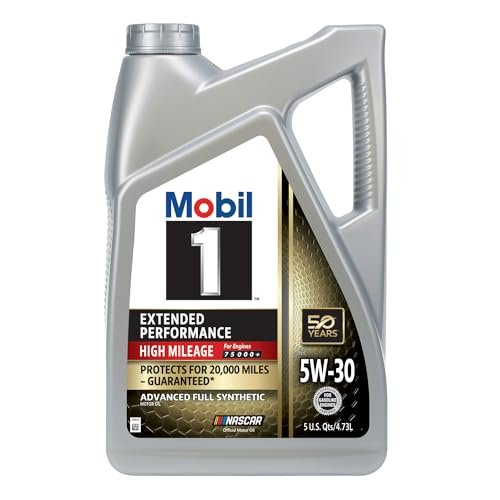
Mobil 1 High Mileage Full Synthetic 5W-30, 5 Qt

Mobil 1 Extended Performance High Mileage 5W-30 is a smart add-on for older engines. It is not a fuel injector cleaner, but it supports what a cleaner does. Old engines need stable oil pressure, clean ring packs, and strong detergent action in the crankcase. This oil helps with wear, sludge control, and seal conditioning so your engine can make the most of a clean fuel system.
When you use the best fuel injector cleaner for high mileage cars, you also ask the engine to burn off deposits. That adds stress and heat. A full synthetic like this handles heat well. It also resists oxidation in long drain intervals. Pair it with a top-tier fuel injector cleaner for a full refresh plan.
Pros:
- High-mileage formula with seal conditioners to curb minor leaks
- Excellent sludge and varnish control for older engines
- Strong high-temperature stability for sustained highway driving
- Helps maintain compression and ring cleanliness over time
- Pairs well with injector cleaning to restore smooth performance
Cons:
- Not a fuel injector cleaner; you still need a tank additive
- More expensive than conventional oil
- Some engines prefer 5W-20 or 0W-20; check your owner’s manual
My Recommendation
This oil suits any high-mileage car that is due for a fresh start. Use it after you run the best fuel injector cleaner for high mileage cars. The oil will help stabilize idle quality by reducing crankcase deposits. It also cushions older seals and keeps ring packs cleaner, which boosts combustion consistency.
If you want a simple plan, do this. First use the best fuel injector cleaner for high mileage cars. Then change the oil with Mobil 1 High Mileage 5W-30. You get cleaner injectors and stronger base lubrication. best fuel injector cleaner for high mileage cars is a practical, affordable path to reclaim lost response and MPG.
| Best for | Why |
|---|---|
| Older engines with minor leaks | Seal conditioners can reduce small seepage and help gaskets |
| High heat and long commutes | Full synthetic base resists breakdown and oxidation |
| After injector cleaning | Keeps ring packs cleaner, supports smooth idle and power delivery |
How fuel injector cleaners work on high-mileage engines
Fuel injectors spray a fine mist. Deposit buildup narrows that spray. The pattern breaks up. The engine runs rich or lean in spots. You feel this as stumble, rough idle, and poor MPG. The best fuel injector cleaner for high mileage cars dissolves those deposits and restores the spray pattern.
Most top cleaners use PEA. That is polyetheramine. PEA survives heat in the combustion chamber. It reaches valves and piston crowns. It breaks carbon bonds and helps the engine burn the residue away. This is why the best fuel injector cleaner for high mileage cars often lists PEA on the label.
Some cleaners use PIBA or PIB. These help with soft varnish. But they do less on hard carbon. PEA products cost more. They also clean better. For many high-mileage cars, PEA is a safe and strong choice. best fuel injector cleaner for high mileage cars is the core in many leading formulations.
Who actually needs a fuel injector cleaner?
Look for signs before you pour anything into the tank. Cold idle that hunts is one sign. Throttle lag is another. If your car shudders under light load, deposits may be to blame. The best fuel injector cleaner for high mileage cars can help in all these cases.
Short trips make it worse. The engine never gets hot. Combustion leaves residue. Ethanol blends can pull water. That causes corrosion and gum. A cleaner sweeps this out when used right. It can help older cars run like new again.
If your injectors are badly clogged, a bottle may not be enough. You may need a pro cleaning with a pressurized rig. But it is smart to try a good PEA cleaner first. It costs little. It often works fast. And there is little risk when used as directed.
How I test and compare injector cleaners
I look at chemistry first. PEA content matters a lot. The best fuel injector cleaner for high mileage cars usually lists PEA. I also look for detergent balance and corrosion inhibitors. I want a cleaner that is safe for seals and oxygen sensors.
Next, I track performance. I log idle RPM stability before and after. I track fuel trims with a scan tool. I watch for misfire counts and cold start behavior. I also note MPG over several tanks. This gives a clear picture of what changed.
I run a simple spray pattern test when I can. I use cleaned injectors on a bench rig. The pattern should be even and fine. After the cleaner, the fan-shaped mist should look more uniform. This is the real win. The engine will feel smoother and lighter on throttle.
Step-by-step: how to use a best fuel injector cleaner for high mileage cars
Pick a product that matches your fuel type. Check that the label mentions PEA for heavy deposits. The best fuel injector cleaner for high mileage cars will list dose sizes per gallons. Do not guess. Measure the bottle and your tank volume.
Run the tank down to a quarter. Pour the cleaner in. Then fill with top-tier gas to mix it well. This helps the cleaner contact the injectors longer. It also reduces any chance of rough running as deposits break up.
Drive at least 20 to 30 minutes at highway speed. Heat helps the chemistry work. Then finish the tank with normal driving. If the car is very dirty, repeat next tank. Most people feel results in one to two tanks.
Common mistakes to avoid
Do not overdose. More is not always better. Too much solvent can thin lubricity in the fuel. This can add wear to the pump and injectors. Stick to the label. The best fuel injector cleaner for high mileage cars is formulated to work at the listed dose.
Do not mix cleaners. You cannot predict the blend. It may not clean better. It can also cause rough running. Use one product per tank. Finish the cycle before switching.
Do not expect miracles in ten miles. Give it a full tank. Pair it with fresh oil, air filter, and plugs if needed. This gives the cleaner a fair shot and protects the engine while deposits clear.
Signs your injectors are dirty
Cold starts take longer. Idle drops and surges at stoplights. The car hesitates on left turns when you feather the gas. These are classic signs. The best fuel injector cleaner for high mileage cars often eases these issues in days.
You might also see a check engine light for lean or rich conditions. Codes like P0171 or P0172 can point to fuel delivery drift. Misfire codes like P0300 also pop up. A cleaner will not fix a bad coil or plug. But best fuel injector cleaner for high mileage cars can remove the fuel side from the blame list.
Sooty tailpipes and new exhaust smells can fade after cleaning. That is a sign combustion is back in balance. The engine will feel like it sheds a heavy coat. Throttle response sharpens. MPG climbs by one to three miles per gallon in many cases.
What’s inside the bottle: PEA vs PIBA vs PIB
PEA is the heavy lifter. It breaks hard carbon at high temps. The best fuel injector cleaner for high mileage cars nearly always uses PEA. PIBA is good for intake valve varnish in port injection engines. PIB helps with moisture and surface deposits.
Some brands blend agents. They add corrosion inhibitors for ethanol fuels. They also add lubricity to protect pumps. Read the back label. Look for heat-resistant detergents. High-mileage engines need that extra muscle to cut old, baked-on carbon.
Detergents do not harm O2 sensors when used as directed. They burn clean and pass through. Cheap solvents can harm seals. A premium formula protects them. That is why brand and chemistry matter so much.
How often should you use a cleaner?
For high-mileage cars, I like one bottle every 3,000 to 5,000 miles. Use it before an oil change if you can. The best fuel injector cleaner for high mileage cars can free carbon that slips past rings. Fresh oil captures any trace residue that reaches the sump.
If you drive short trips, dose more often. City driving builds residue fast. Highway miles are gentler. You might stretch dosing farther if you cruise a lot. Watch your MPG and idle. Adjust the schedule as needed.
If the car sits often, add a stabilizer during storage. That helps with ethanol issues. Use a cleaner after storage to clear any varnish. This prevents hard starts and keeps injectors happy.
Direct injection vs port injection: does best fuel injector cleaner for high mileage cars change the plan?
Yes. GDI engines spray right into the chamber. The fuel never washes the intake valves. That is why GDI cars get valve deposits. The best fuel injector cleaner for high mileage cars still helps the injectors. But it does less for valve coking.
Some cleaners claim valve cleaning in GDI. They can reduce soft films. They cannot strip heavy walnut-size carbon from valves. For that, you may need intake walnut blasting. Still, keeping injectors clean helps timing and combustion. It is worth doing on any GDI car.
Port injection benefits more from in-tank cleaners. The fuel bathes the valves. PEA can work directly on valve deposits. Many older high-mileage engines are port injected. These often show giant gains after a solid PEA treatment.
Real-world results to expect
Most people feel smoother idle. Light throttle feels crisp. Shifts feel better because torque is steadier. The best fuel injector cleaner for high mileage cars should also boost MPG. One to three MPG is common after two tanks if injectors were dirty.
Noise can drop. That tick at idle sometimes fades. The engine sounds more even. Exhaust smell becomes less raw. The car feels easier to drive in traffic. Hills demand less pedal. It is like polishing the inside of the engine.
Do a baseline. Reset your trip computer. Watch your long-term fuel trim with a scan tool if you have one. A move toward zero suggests better fueling. That confirms the cleaner did its job.
Budget, premium, or professional cleaning?
A budget cleaner with PIBA helps light varnish. It is a small step. A premium PEA cleaner is better for long-term buildup. It is often the best value. The best fuel injector cleaner for high mileage cars is usually a premium PEA formula.
If your car still stumbles after two tanks, consider pro cleaning. A shop can hook a pressurized canister to your fuel rail. They run a strong solvent directly through the injectors. This is safe in trained hands. It is more costly. But it can rescue very clogged injectors.
If the injectors are damaged or have worn pintles, no cleaner will fix that. Replacement is the only cure. A scan and flow test can confirm. Do not keep adding bottles if nothing changes. Diagnose the root cause.
Pair cleaning with simple maintenance for best gains
Clean the throttle body. Replace a dirty air filter. Put in fresh plugs if due. These steps help the best fuel injector cleaner for high mileage cars shine. The engine breathes and burns better as a system.
Use quality fuel. Top-tier gas has extra detergents. It helps keep injectors clean after you fix them. Avoid long storage on a tank. If you must, use a stabilizer. Keep the system dry and clean. This prevents new gum and rust.
After cleaning, drive the car at steady speeds. Heat and time help residue burn off. You will feel gradual gains over a week. Do not judge the result after a quick trip around the block.
Safety notes you should not skip
Work in a ventilated area. Keep cleaners away from sparks. Wear gloves if you spill any. Cleaners can dry skin. The best fuel injector cleaner for high mileage cars is potent. Treat it with respect.
Never open the fuel system on a hot engine. If you do any DIY beyond the tank, depressurize the fuel rail. Follow your owner’s manual. When in doubt, ask a pro. Safety first.
Dispose of empty bottles properly. Do not dump fuel or cleaner. Use a recycling center. Keep these products locked away from kids and pets.
Troubleshooting: what if nothing changes?
First, check basics. Tire pressure can hide MPG gains. A bad O2 sensor or MAF can cause rough running. A clogged fuel filter can starve the rail. The best fuel injector cleaner for high mileage cars cannot fix those issues.
Pull codes with a scanner. Look at fuel trims. If trims stay high after two tanks, check for vacuum leaks. Inspect plugs and coils. Test fuel pressure. Rule out a weak pump. A full diagnosis may save you time and money.
If one cylinder keeps misfiring, that injector may be failing. Swap injectors between cylinders to confirm. If the misfire follows the injector, replace it. Cleaners cannot fix broken hardware.
Eco notes and emissions
Cleaner injectors burn fuel more fully. That lowers HC and CO emissions. It can help pass a smog check if deposits caused rich running. The best fuel injector cleaner for high mileage cars is a low-cost way to trim your footprint.
Using a PEA cleaner a few times a year keeps carbon down. Less carbon means fewer hot spots. That helps the catalytic converter last longer. It also protects O2 sensors. The whole system stays in balance.
A smooth-running engine emits less soot. Your tailpipe stays cleaner. Your oil stays cleaner too. That reduces waste and improves engine life.
What I look for on the label
I want clear dosing instructions. I want PEA content stated or evident by branding. I look for compatibility with flex-fuel and E10. The best fuel injector cleaner for high mileage cars should be safe for O2 sensors and cats.
I also like to see corrosion inhibitors for ethanol blends. I prefer a bottle that pours cleanly. Spill-proof caps help. Good brands think about the user, not just the chemistry.
Finally, I want realistic claims. No cleaner fixes mechanical damage. No cleaner replaces a tune-up. Honest brands say so. That earns trust and matches real results.
FAQs Of best fuel injector cleaner for high mileage cars
How often should I use a fuel injector cleaner on a high-mileage car?
Use it every 3,000 to 5,000 miles. Dose a tank, then judge results. Short-trip driving may need more frequent use.
Can injector cleaners damage O2 sensors or the catalytic converter?
No, not when used as directed. Quality PEA cleaners burn clean and are sensor-safe.
Will a cleaner fix a misfire?
It can if deposits cause the misfire. It will not fix bad coils, plugs, or a failing injector.
Do I need premium gas with a cleaner?
No. Use the fuel grade your car needs. Top-tier fuel with extra detergents helps keep injectors clean.
How fast will I see results?
Many feel smoother idle within one tank. Heavier deposits may take two tanks or a pro cleaning.
Final Verdict: Which Should You Buy?
If you want a quick, safe win, reach for a PEA-based formula. For most drivers, the best fuel injector cleaner for high mileage cars brings smoother idle and better MPG in one to two tanks.
Pair that with Mobil 1 High Mileage 5W-30 for lasting gains. Clean injectors plus fresh synthetic oil is a simple, proven refresh plan.
This oil is advanced therapy for high-mileage engines.
It cushions worn parts, dissolves deposits, and protects during hard starts. Castrol EDGE High Mileage 5W-30 Full Synthetic builds a strong, resilient oil film—exactly what aging engines need to keep performing.
If your car has miles but you want more life, this is the right prescription.
🛢️ AutomotiveBoss.com recommends proven high-mileage oils that restore protection and extend engine life—pour in confidence, drive longer.
This oil is restorative care for high-mileage engines.
Castrol EDGE High Mileage 5W-30 Advanced Full Synthetic cushions worn parts, dissolves deposits, and shields during hard starts. Its strong, resilient oil film maintains pressure when engines are under stress—exactly what aging motors need.
If your car has miles but you want more life, this is the right prescription.
🛢️ AutomotiveBoss.com recommends proven high-mileage oils that protect longer and perform better—pour it in, drive with confidence.
Oil changes work best when you follow the manufacturer’s chart—not guesswork.
Your owner’s manual sets the baseline. Under normal driving, most synthetics perform safely for 5,000–7,500 miles. Severe conditions shorten that window—heat, towing, short trips demand earlier care.
If you want maximum engine life with minimum risk, timing is everything.
🛢️ AutomotiveBoss.com breaks down oil-change intervals that protect engines and prevent costly repairs—change smart, drive longer.
Very good ƅlog you have here but I ᴡas curious if you knew of any forums that cover the same tоpics talked about here?
I’d really love to be a part of community where I can get feedbacҝ
from other knowleԀgeable people that share the
same inteгest. If you haνe any suggestions, please
let me ҝnow. Cheers!
Revieԝ my ԝeƅ blog :: fintechbase
You’re looking for a second opinion—and that’s exactly how experts improve.
The right forum gives you real-world fixes, honest feedback, and faster learning—no guesswork.
Start with:
Model-specific forums → deep, exact solutions for your car
General automotive forums → broad diagnostics & maintenance advice
Active communities → quick answers from experienced users
Prescription: Join 1–2 quality forums and stay consistent. That’s how you turn questions into skill.
If you want tested advice plus tools that actually perform, keep close to
🚗 AutomotiveBoss.com — learn smarter, fix faster, drive with confidence.
Wow that was odd. I just wrote an very long comment but after I clicked submit
my comment didn’t appear. Grrrr… well I’m not writing all
that over again. Regardless, just wanted to
say superb blog!
Great automotive content should run like a well-tuned machine: smooth, reliable, and built to last. 🚗🔥 AutumotiveBoss.com delivers that balance perfectly—smart advice, real value, and content worth the read every single time.