
Quaker State oil is a dependable, wallet-friendly choice for daily drivers.
You know that uneasy feeling when the oil light flickers, the engine sounds a bit louder, and you wonder if you’ve gone too far between changes? I’ve been there. Picking the right oil can feel like a maze of specs, claims, and brand loyalty. Quaker State oil cuts through that fuss with straightforward protection, easy availability, and fair pricing. It fits the way real people drive: short trips, errand runs, long commutes, cold starts, and hot summers. In this review, I’ll show how quaker state oil stacks up in the real world, when it’s the better buy, and what to watch for—so you feel confident every mile.
[3-product-listings-blocks]
What Is Quaker State Oil?
Quaker State oil is a well-known motor oil brand designed for everyday cars and trucks. It’s built to protect engines from heat, wear, and sludge. It comes in conventional, synthetic blend, and full synthetic formulas. You can choose the viscosity your car’s manual calls for.
I like that quaker state oil focuses on practical gains. It aims to keep engines clean and stable under stress. Most bottles carry modern approvals like API SP and ILSAC GF-6. Many drivers also see fewer oil top-offs with the full synthetic line.
Why Drivers Choose Quaker State Oil
Quaker State oil earns trust for three reasons: protection, price, and access. It handles stop-and-go traffic without breaking your budget. You can find it online, at big-box stores, and at local parts shops. That means you are rarely stuck.
I’ve noticed that engines on quaker state oil tend to stay clean inside. Clean engines run smoother and waste less fuel. The oil also holds up well for normal change intervals. It balances cost and quality for daily use.
Types of Quaker State Oil and Viscosity Choices
Quaker State oil offers several types to match your car and climate. The choices matter more than brand names alone. Here’s a simple way to choose.
- Conventional: Good for older engines or short intervals.Quaker State oilmeets basic specs and keeps costs low.
- Synthetic Blend: A step up for better heat and oxidation control. Nice for warmer climates or light towing.
- Full Synthetic: Best protection for cold starts, long commutes, and high heat. It also helps with turbo engines.
Viscosity is the second key. Most modern cars use 0W-20, 5W-20, or 5W-30. Many turbo engines now call for 0W-20 or 0W-30 to save fuel and protect at start-up. Always check your owner’s manual first. Quaker State oil comes in the popular grades, so it’s easy to match the spec.
Approvals and Why They Matter Quaker State oil
Modern oils should meet API SP and ILSAC GF-6 (or GF-6B for 0W-16). These standards help fight low-speed pre-ignition (LSPI) in small turbo engines. They also improve chain wear protection. Quaker State oil options typically meet these, which is key for newer cars.
Some cars, mainly GM, need dexos1 Gen 3. Many full synthetics carry that badge. Look for it on the back label. The right approval keeps your warranty happy and your engine safe. Quaker State oil lines usually list major approvals clearly.
Real-World Performance: What I’ve Seen Quaker State oil
Engines on quaker state oil tend to show steady performance between changes. Cold starts are smooth when using the correct viscosity, especially the full synthetic versions. I’ve also seen less varnish buildup when oil changes happen on time.
If you drive short trips, moisture and fuel dilution can be a problem. Quaker State oil holds up well in city driving, but time-based changes still matter. I like to change at least yearly, even if miles are low. For longer highway use, its synthetics often stay in grade and resist oxidation within normal intervals.
How Quaker State oil Stacks Up Against Rivals
In the same aisle, you’ll find Castrol, Pennzoil, Valvoline, and Mobil 1. Each brand has strong options. Quaker State oil often wins on price while delivering solid approvals and results. In many daily-driver cases, you will not feel a huge difference in the seat of your pants.
Where some rivals may edge ahead is in niche claims like extreme track use, very long drain intervals, or boutique base stocks. If you drive a super hot turbo car and push it hard, a premium racing oil might fit better. For normal use, quaker state oil meets the spec without the premium price.
Who Gets the Most From Quaker State Oil?
– Commuters who want reliable, low-stress oil changes.
– Families with mixed vehicles that need API SP and ILSAC GF-6 approvals.
– Owners who do DIY oil changes and want steady quality at a fair price.
– Drivers in hot or cold climates who need good start-up flow and heat stability.
If your manual calls for a very specific OEM approval beyond API SP/ILSAC GF-6, confirm the label first. Quaker State oil covers the big standards, but it pays to double-check.
Longevity, Cleanliness, and Engine Health
Engine health comes down to clean internals and steady film strength. Quaker State oil helps reduce varnish and sludge if you stick to the schedule. Sludge often comes from heat, short trips, and neglected intervals. The detergents in these oils do the heavy lifting.
I also like how quaker state oil handles oxidation. Heat and oxygen thicken oil over time. That raises wear risks. Synthetics resist this better than conventional oil. If your car runs hot or you tow, step up to a synthetic grade in the right viscosity.
Change Intervals: A Simple Guide
– Check the manual: It sets the baseline for mileage and time.
– Normal use: Many cars do well at 5,000–7,500 miles on synthetic.
– Severe use: Short trips, idling, or extreme temps can need shorter cycles.
– Time matters: Even low miles may need a yearly change due to moisture and fuel dilution.
Quaker State oil supports normal intervals for most drivers. If you notice oil turning very dark quickly, it may be cleaning deposits. Stay on schedule and it often clears by the next change.
Additives and What They Do Quaker State oil
Good oils use a package of detergents, dispersants, anti-wear agents, and antioxidants. You may see zinc and phosphorus (ZDDP) listed for wear protection. You may also see moly for friction reduction. Quaker State oil blends are balanced for modern engines and catalytic converters.
Resist the urge to add random additives. They can upset the careful balance. If you want more protection, move to a higher-grade product within the brand or follow your OEM’s spec. Quaker State oil options cover most needs without extra bottles.
Oil Analysis: Is It Worth Quaker State oil?
Used oil analysis sounds complex, but it can help. Quaker State oil tells you how the oil held up and what metals are in the sample. You’ll see wear, viscosity changes, and possible fuel dilution. For most drivers, this is optional. But it’s great if you have a turbo car, tow often, or want longer intervals.
On quaker state oil, analysis usually shows stable viscosity and good wear control in normal service. The limiting factor tends to be fuel dilution in short trips or moisture from long storage. Adjust your interval to match your real use.
DIY Oil Change With Quaker State oil
DIY saves money and gives peace of mind. Here’s a simple plan.
- Warm the engine a few minutes for better flow.
- Park level, use stands for safety, and wear gloves.
- Drain oil, change the crush washer if needed, and clean the plug.
- Replace the filter. Clean the gasket surface and hand-tighten per spec.
- Fill with the right quaker state oil grade and amount.
- Start the engine. Check for leaks. Top off to the dipstick full mark.
- Recycle old oil at a parts store.
Keep your receipts and note the mileage and the date. If your vehicle has a maintenance minder, reset Quaker State oil.
Seasonal Tips: Cold Starts and Summer Heat
Cold starts are where much of the wear happens. A 0W or 5W grade flows faster in winter. Quaker State oil in the right grade eases those starts. In summer, heat and sustained highway speeds put stress on the oil. A full synthetic helps resist breakdown.
If you tow, haul, or climb hills, consider a synthetic blend or full synthetic. Quaker State oil resists oxidation and shearing better. Your engine will run a little cleaner and quieter over time.
Price and Value Quaker State oil
Quaker State oil often undercuts some big-name rivals on price, especially in multi-quart jugs. That does not mean it cuts corners on specs. For daily use, it’s one of the best values in the aisle. You also see frequent sales, which helps if you service more than one car.
I like value you can track. Keep a simple log of oil changes, fuel economy, and noise. Over a year, many drivers see fewer top-offs and steady MPG Quaker State oil the full synthetic options.
Environmental Angle: Recycling and Fewer Changes
Used oil should never go in the trash or down the drain. Take it to a parts store for recycling. Most accept it for free. If your driving allows longer intervals within the manual’s spec, you reduce waste. Quaker State oil full synthetic helps you hit those intervals with a margin of safety.
You can also use the right viscosity to gain small fuel savings. Modern 0W-20 and 5W-20 grades are designed for that. Don’t thicken the oil unless your manual calls for Quaker State oil.
Potential Drawbacks to Watch
No brand is perfect. If you have a very high-performance engine or track the car, a motorsport oil may fit better. Also, some exotic OEM specs can be picky. Always match the approval on the bottle.
If you’re chasing the absolute longest change intervals, you need careful monitoring. That means oil analysis, top-tier filters, and tight driving habits. Quaker State oil can do well here, but it’s best to stick Quaker State oil what your OEM allows.
Comparison Snapshot: Quaker State oil vs. The Field
– Protection: On par for daily use when matched to the right spec.
– Cleanliness: Solid detergent packages that keep internals tidy with regular changes.
– Price: Often better than high-profile rivals on sale or in bulk.
– Availability: Easy to find online and in stores, which keeps costs stable.
– Approvals: Covers common needs like API SP and ILSAC GF-6.
For most drivers, quaker state oil ticks every box that matters week to week.
How I Evaluate Motor Oil for Reviews
I look at label specs, approvals, and the oil’s role in the market. I consider base oil type, viscosity choices, and additive balance. I note cold performance and stability claims that align with API SP and ILSAC GF-6 test methods. Then I match Quaker State oil to real driving: short trips, idle time, heat, and long commutes.
I also watch for practical signs after use. That includes noise, oil color trends, top-off needs, and filter condition. Over time, these simple checks tell you a lot. Quaker State oil performs predictably in these daily tests.
Buying Tips to Avoid Mistakes Quaker State oil
– Always confirm the exact viscosity and approvals in your manual.
– Choose full synthetic for turbo engines or wide temperature swings.
– Change time-based if you drive short trips.
– Use a quality filter that matches your interval.
– Keep receipts and track mileage for warranty and peace of mind.
Quaker State oil makes it easy because it has clear labels. Double-check before you pour.
Signs You Chose the Right Quaker State oil
Your car starts quietly, warms up fast, and runs smooth. You don’t smell fuel in the oil after short trips. The dipstick level stays steady between changes. When you drain the oil, it is dark but not gritty, and the filter is not clogged with sludge.
With quaker state oil, I see these good signs often, especially in full synthetic grades used on a normal schedule.
When to Switch Viscosity Quaker State Oil Type
Stick Quaker State oil your manual first. If your engine is older with high miles and uses oil, you may try a high-mileage synthetic blend or full synthetic in the same viscosity. The seals and detergents in high-mileage oils can help reduce consumption.
If your winters are harsh and your manual lists two options, choose the lower “W” grade for cold starts. Quaker State oil covers the common winter grades, so you can match the season.
Storage and Shelf Life
Keep unopened oil in a cool, dry place. Avoid wide temperature swings. Opened containers should be sealed tight and used soon. Dust and moisture are your enemies. Quaker State oil bottles are sturdy, but a clean funnel and cap care prevent contamination.
I mark the purchase date on the jug with a marker. Quaker State oil helps me rotate stock. I also avoid mixing many brands and formulas in the same engine.
Troubleshooting: If the Engine Still Feels Rough
If you changed to quaker state oil and still hear noise or feel roughness, check the basics. Verify the oil level. Make sure the filter is correct. Listen for belt noise or injector tick that oil cannot fix. Scan for codes if a light is on.
Oil helps a lot, but it’s not a cure for mechanical issues. If the sound started after the change, confirm that the drain plug and filter are snug and the right viscosity was used.
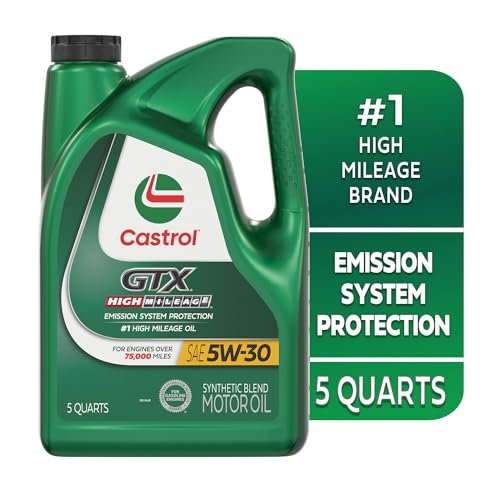
Castrol GTX High Mileage 5W-30, 5-QuartQuaker State oil

Castrol GTX High Mileage 5W-30 is built for engines with over 75,000 miles. Quaker State oil is a synthetic blend, which means better heat control than straight conventional oil. The formula helps reduce oil burn-off and protects aging seals. It is a solid match for daily drivers that see traffic and short trips.
In use, this oil feels stable and keeps older engines smooth. The 5W-30 grade balances cold start flow Quaker State oil warm protection. With steady changes, you can see cleaner internals and less varnish. It’s a smart pick if you want a value oil for high-mile engines.
Pros:
- Designed to help older seals and reduce consumption
- Synthetic blend for better heat resistance than conventional
- Reliable cold start performance in a wide climate range
- Good price-to-protection balance for high-mileage cars
- Widely available and easy to find in 5-quart jugs
Cons:
- Not a full synthetic; extreme heat protection is limited
- Some modern turbo specs may require different approvals
- If oil use is severe, repairs may still be needed
My Recommendation
If your car has crossed 75,000 miles and you notice light oil use, this is a smart step. Quaker State oil fits drivers who want fewer top-offs and a smooth idle. The synthetic blend helps with heat during summer and long commutes. It’s a dependable choice for keeping an older daily driver on the road.
For newer engines, a full synthetic may be better, especially for turbocharged cars. If you’re loyal to quaker state oil, you can choose a full synthetic high-mileage option in the same viscosity. Either way, match your owner’s manual and watch the dipstick. This keeps your engine happy without overspending.
| Best for | Why |
|---|---|
| High-mileage daily drivers | Seal conditioners and stable blend reduce light consumption |
| Mixed city and highway use | 5W-30 flows well cold and holds film at temp |
| Budget-minded owners | Strong value without overpaying for extras |
How to Pick the Right Quaker State Oil for Your Car
Start with your manual. Note the viscosity and any special approvals. Then think about your driving. Lots of short trips? Cold winters? Hot summers or towing? Choose a quaker state oil that fits those habits.
- Use full synthetic for extreme temps and turbo engines.
- Use synthetic blend for budget heat protection in older cars.
- Stay with the manual’s viscosity and approval list.
- If in doubt, choose the oil that meets the stricter spec.
Quaker State oil lines cover the common needs. The labels make it easy to check before you buy.
High-Mileage Engines: When to Go High-Mileage Oil
Go high-mileage when you see minor leaks, top-offs between changes, or a little smoking at start-up. The seal conditioners can help, and the detergents keep older internals clean. Whether you choose a synthetic blend or full synthetic depends on heat and your budget.
If the engine consumes a lot of oil, a thicker grade is not always the answer. Fixing worn valve seals or PCV issues may matter more. Quaker State oil can help control the symptoms while you plan a repair.
Turbo Engines and Direct Injection Quaker State oil
Turbo engines run hotter oil temps and can suffer LSPI in low RPM, high load situations. API SP/ILSAC GF-6 oils help fight LSPI. Quaker State oil meeting these specs is a safe pick. I prefer full synthetic for turbos due to better high-temp stability.
Keep an eye on the PCV system and intake valves. Direct injection can cause valve deposits. Good oil helps, but Quaker State oil does not wash the valves. A periodic intake cleaning may be needed in some engines.
Filters Matter as Much as Oil
A good filter supports the oil. Look for strong media and reliable anti-drainback valves. If you push longer intervals, choose a filter rated for extended use. Quaker State oil pairs well with filters from top names. Don’t cut corners here.
Change the filter every oil change. Quaker State oil keeps debris from recirculating and extends engine life. A clogged filter sends oil through the bypass, which reduces cleaning.
Common Myths About Motor Oil
– Myth: Thicker oil always protects better. Truth: It must match clearances and specs.
– Myth: Switching to synthetic causes leaks. Truth: It can reveal weak seals, but it does not cause damage.
– Myth: Dark oil is bad oil. Truth: Dark oil can show detergents working. Grit is the concern, not color alone.
Quaker State oil follows the same rules. Match the spec, keep the interval, and use a good filter. That’s what counts.
Cost of Ownership: Oil, Filter, and Time Quaker State oil
A DIY change with quaker state oil and a quality filter often costs less than a shop visit. You also control the parts and process. If time is tight, quick-lube shops often carry similar oils. Ask for the exact viscosity and spec you need.
Track your costs per mile. An affordable oil that meets your spec can reduce total costs without risk. That’s where quaker state oil shines.
FAQs Of quaker state oil
Is quaker state oil good for high-mileage engines?
Yes. Choose a high-mileage version in the right viscosity. Quaker State oil helps seals and reduces light oil use.
Does quaker state oil meet API SP and ILSAC GF-6?
Most modern quaker state oil products do. Check the back label to confirm your bottle’s approvals.
Can I use quaker state oil in a turbocharged car?
Yes, if Quaker State oil meets your manual’s spec. I prefer full synthetic for turbos due to heat and shear.
How often should I change quaker state oil?
Follow your manual. Many drivers change synthetic at 5,000–7,500 miles or yearly, whichever comes first.
Will switching to quaker state oil void my warranty?
No, as long as Quaker State oil meets the required approvals and viscosity. Keep receipts and records.
Final Verdict: Which Should You Buy?
Quaker State oil is a dependable choice for daily life. It balances protection, price, and wide availability. It meets modern specs and works across many makes and models.
If your engine is high mileage, a product like Castrol GTX High Mileage is a fine alternative. But if you prefer staying within one line, quaker state oil high-mileage options make a strong, budget-friendly case.