
The best synthetic motor oil is the one that keeps wear low, stays stable, and cleans well.
You feel it on cold mornings and long summer hauls. The engine cranks a bit slower. The temps creep up on steep grades. The idle sounds a touch harsher than before. That is where the best synthetic motor oil earns its keep. It cushions metal, handles heat, and stays clean longer. It helps engines start fast, run smooth, and last years more. If you tow, ride hard, or want fewer oil changes, the right oil pays for itself. I have seen it in my own trucks and in customer fleets. In this guide, I break down what matters and which oil stands out.
[3-product-listings-blocks]
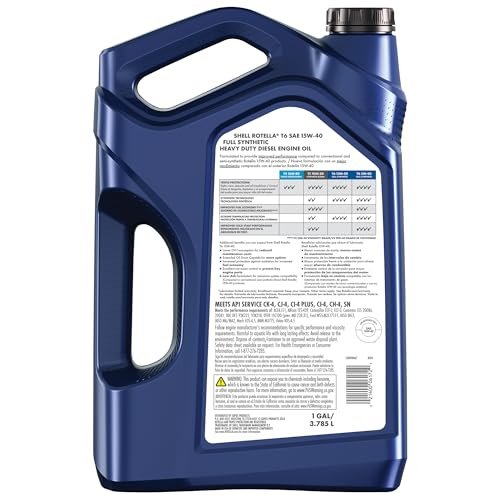
Shell Rotella T6 15W-40 Full best synthetic motor oil (3×1 Gal)

Shell Rotella T6 15W-40 is a full synthetic heavy-duty engine oil built for hard work. best synthetic motor oil is known for strong shear stability, great soot control, and solid wear protection. The 15W-40 grade is ideal for hot climates, towing, and long highway runs. If you want long life under load in a diesel engine, this oil belongs on your short list.
I like it for turbo diesels, older high-mile rigs, and fleet trucks that rack up miles fast. It holds up under high boost and high EGTs without thinning out. It also keeps ring lands and turbo bearings cleaner than conventional oil in severe service. best synthetic motor oil is a smart buy in this 3-gallon value pack if you run frequent changes across more than one vehicle.
Pros:
- Built for heat and heavy loads; great for towing and hauling
- Strong deposit control keeps turbos and rings cleaner
- Stable viscosity resists shear in long highway runs
- Protects modern diesel aftertreatment systems when used as directed
- Proven in fleets; good value in a 3-pack for frequent service
- Low volatility helps reduce oil burn-off under high load
- Often quiets valve train and runs smoother in older diesels
Cons:
- 15W cold rating is not ideal for harsh winter starts
- Not approved for most modern gasoline engines that need API SP/GF-6
- Costs more than conventional 15W-40, though it can save over time
My Recommendation
Use Rotella T6 15W-40 if you haul, tow, or run hot. best synthetic motor oil is a great pick for HD diesel pickups, delivery trucks, and off-road diesels that see dust and heat. It also works well in older diesels that need more film strength at temperature. If you live where winters are mild to hot, this weight makes sense. For extreme cold starts, a 5W-40 may crank faster.
In my hands, this oil is tough and clean. It stands up to long grades, trailer work, and stop-and-go routes. It is not the best synthetic motor oil for small modern gas cars. But for heavy-duty diesel tasks, it is a safe, proven bet. Always match API and OEM specs in your manual. If you need the best synthetic motor oil for hot, hard duty, this one is high on my list.
| Best for | Why |
|---|---|
| Towing and heavy loads in diesel pickups | Stable 15W-40 film and strong wear control under heat |
| Hot climates and high-mile routes | Resists thinning; handles high EGTs and highway shear |
| Fleets that want value and consistency | Proven in severe duty; 3-pack makes stocking easy |
How I pick the best synthetic motor oil
I have changed oil in daily drivers, diesel pickups, and bikes for years. I test, read data sheets, and watch how engines sound and wear. The best synthetic motor oil needs to do more than one thing well. Here is my simple checklist:
- Viscosity stability: best synthetic motor oil must hold grade under heat and shear. I look at High-Temperature High-Shear (HTHS) values and used oil reports.
- Wear metals: Iron, copper, and aluminum should trend low in oil analysis across intervals.
- Deposit control: Clean ring lands and tidy valve covers matter. I look for low varnish and clean turbo parts.
- Seal and gasket behavior: No swelling. No leaks. Good seal conditioning.
- Cold start flow: The oil should pump fast to the cams and lifters on cold starts.
- Compatibility: It must meet or exceed API, ILSAC, ACEA, or OEM specs for the engine.
- Real-world value: Cost per mile counts, not just cost per jug.
I also track fuel dilution, oxidation, and TBN retention through used oil analysis. This helps me see beyond claims and judge service life. The best synthetic motor oil makes these numbers look steady across seasons.
Viscosity made simple: what those numbers mean
You see labels like 0W-20, 5W-30, and 15W-40. Here is the quick guide:
- The number before the W is the winter grade. Lower means faster cold flow. A 0W pumps faster in the cold than a 5W.
- The number after the W is hot viscosity. Higher means thicker at 100°C. A 40 grade will stay thicker than a 30 grade at temp.
- Modern gas cars often use 0W-20 or 5W-30. Many diesels use 5W-40 or 15W-40.
Pick what your owner’s manual states. In general, go thinner for cold starts and fuel savings. Go thicker for high heat, heavy load, and high mileage if the manual allows it. The best synthetic motor oil holds its viscosity grade after hours of stress.
Certifications that matter in 2026
Oil specs are not fluff. They are tests your oil must pass.
- API SP: Current gasoline engine spec. Good for timing chain wear, LSPI, and deposits.
- ILSAC GF-6A/GF-6B: Fuel-efficient oil for modern gas engines. GF-6B applies to 0W-16.
- API CK-4 and FA-4: Current heavy-duty diesel specs. CK-4 is most common in mixed fleets. FA-4 is for some newer engines with lower HTHS.
- ACEA sequences: European specs. Often tougher on long drains and deposits.
- OEM specs: dexos1 Gen3 for GM gas, dexosD for light-duty diesel, dexosR for high-performance gas engines, and others from VW, BMW, MB, Ford, and Stellantis.
Always match the label on the jug to your manual. If you want the best synthetic motor oil for your engine, certifications are your filter.
Why best synthetic motor oil beats conventional
Synthetic oil is built on uniform base molecules. Conventional oil has more random chains and more impurities.
- Better cold flow: Synthetics pump faster at low temps.
- Better heat stability: They resist oxidation and thickening at high temp.
- Cleaner: They leave fewer deposits and keep engines tidy.
- Longer life: They hold additives longer and keep TBN stronger in many cases.
If you push your engine, travel far, or hate frequent changes, synthetic wins. The best synthetic motor oil saves money over time by keeping parts clean and wear low.
Diesel vs gas oil: the big differences
Diesel engines run higher cylinder pressures and often have turbos. The oil must hold soot in suspension, protect under boost, and guard cam lobes and bearings under severe load. That is why diesel oils like Shell Rotella T6 15W-40 use robust additive packs and focus on shear stability.
Gasoline engines fight LSPI (low-speed pre-ignition) in small turbo motors. They also need timing chain wear control and fuel economy. That is why API SP and ILSAC GF-6 oils exist. They are tuned for these issues.
Do not cross specs unless your manual allows it. Some heavy-duty oils carry a dual spec for older gasoline engines. Many do not. The best synthetic motor oil for a diesel is not the best for a modern gas car, and vice versa.
Cold starts vs heat soak: picking weight
Think about your climate and your load:
- Cold winters: 0W or 5W for faster pump up.
- Hot summers and towing: 40 grade often makes sense if the manual allows it.
- Short trips: Oil rarely reaches full temp. Use the correct grade and change by time, not just miles.
- Long highway runs: Stability at temp matters. A robust synthetic shines here.
For example, Rotella T6 15W-40 is made for heat and load. If I moved to a sub-zero region, I would switch to a 5W-40 synthetic for faster starts. The best synthetic motor oil is the one that fits your climate and use, not just the brand on the shelf.
Extended drains: smart best synthetic motor oil risky?
best synthetic motor oil can often run longer than conventional. But extended drains are not one-size-fits-all. Here is how I handle it:
- Follow the oil life monitor or the severe-service schedule, whichever applies.
- If you want to extend, do used oil analysis at least twice to set a safe interval.
- Watch fuel dilution. Short trips and DI engines thin oil fast.
- Check air filters and PCV systems. Dirt and blow-by kill oil early.
The best synthetic motor oil can go longer, but only if the engine and use case allow it. Data beats guesswork.
Additives: what is inside great oil
Additive packages do the heavy lifting. Here are key players:
- Detergents and dispersants: Keep deposits from sticking and hold soot in suspension.
- Anti-wear agents (like ZDDP): Protect metal at high pressure. Balanced levels matter with catalysts and DPFs.
- Friction modifiers (like moly): Reduce drag and help fuel economy in the right engines.
- Antioxidants: Slow down oil aging under heat.
- Anti-foam agents: Keep air from turning oil into froth.
Better base oils help additives work longer. The best synthetic motor oil balances these parts for your engine type. More is not always better; the right balance is.
Turbo care: why best synthetic motor oil choice matters
Turbo bearings spin at very high speed under heat. Poor oil leaves carbon and cooks into coke in the center housing. I have pulled dark, baked turbos apart. best synthetic motor oil is not pretty.
A good synthetic resists heat and deposits here. It also flows fast on cold starts to prevent dry spots. If your engine is turbocharged, pick the best synthetic motor oil that meets your spec and has strong deposit control. It will save you money and grief.
best synthetic motor oil analysis: cheap insurance
Used oil analysis (UOA) is the truth serum for engines. Send a sample at drain time. You get a report best synthetic motor oil wear metals, fuel dilution, silicon (dirt), viscosity, and TBN/TAN. Here is what I look for:
- Iron and copper trends: Rising wear may mean a bearing or ring issue.
- Silicon spikes: This often means a bad air filter or an intake leak.
- Fuel dilution: Too much fuel thins the oil and kills films.
- Viscosity: If it shears down, pick a more stable oil or shorter interval.
If you run a fleet, it is a no-brainer. It can turn the best synthetic motor oil into a data-backed tool, not a guess.
High mileage engines: do you need special best synthetic motor oil?
High mileage oils add seal conditioners. They can help minor seep leaks. They may also have a tad more detergency to clean light deposits. If your older engine seeps, a high mileage full synthetic can help. If it is tight and clean, any top synthetic that meets spec is fine. The best synthetic motor oil for high mileage engines is the one that keeps them dry and quiet while meeting the manual spec.
Motorcycles and wet clutches: read your manual
Bikes with wet clutches need oils that do not cause slip. Look for JASO MA or MA2 on the label if your bike calls for it. Many diesel oils see use in bikes, but you must match ratings. For safety, I always follow the book. The best synthetic motor oil for a bike is often not the same as the best for a car.
Common myths I hear in the bay
I hear these myths every month:
- Myth: Synthetic oil causes leaks. Truth: It can clean seals and reveal existing leaks. It does not cause them.
- Myth: Thicker oil is always better. Truth: Use the grade the engine was built for. Too thick can starve parts on cold starts.
- Myth: Change synthetic once a year and forget it. Truth: Severe duty or short trips can demand shorter intervals.
- Myth: If the oil looks dark, it is bad. Truth: Dark oil can mean it is doing its job by holding soot and deposits.
The best synthetic motor oil is part of a plan: right grade, right spec, and right interval.
How often to change best synthetic motor oil in 2026
Engine design and use decide this. Many gas cars with synthetic can go 7,500 to 10,000 miles under normal use. Some go longer best synthetic motor oil
OEM approvals. Diesel service varies a lot. Towing, idling, and dust push intervals down fast.
Here is my simple method:
- Start with the OEM normal or severe schedule.
- Adjust for your climate, load, and drive style.
- Use UOA if you want to stretch.
- Never exceed the OEM warranty limits during the warranty period.
The best synthetic motor oil supports longer, safer intervals, but it is not a license to ignore your manual.
Storage and handling tips best synthetic motor oil
Oil is tough, but best synthetic motor oil likes good storage:
- Keep jugs sealed and off the floor in a cool, dry place.
- Rotate stock. Use older jugs first.
- Wipe the cap and funnel clean before and after use.
- Do not mix types unless your manual says it is okay in a pinch.
These simple steps keep your best synthetic motor oil fresh and free of dust and water.
Signs your oil is not happy
Watch for these flags:
- Knocking or ticking after start that lasts more than a second or two.
- Oil pressure warning or drop on the gauge at hot idle.
- Rising oil consumption beyond normal.
- Burnt smell in oil or fast darkening with a gritty feel.
- Milky look (coolant contamination).
If you see these, shorten the interval, fix the cause, or change to a more suitable grade. Even the best synthetic motor oil cannot save an engine from a bad PCV valve, a torn intake boot, or a clogged air filter.
Breaking in a rebuilt engine
This topic sparks debate. Here is the method that works for me:
- Use a quality conventional or break-in oil for the first few hundred miles if the builder calls for it.
- Vary load and RPM. Avoid long idles.
- Change filter and oil early to remove break-in debris.
- Switch to your chosen full synthetic once the rings seat per the builder’s advice.
Once seated, the best synthetic motor oil protects the fresh parts for the long haul.
Towing and mountains: oil temps are real
In summer, long grades push oil temps up. Some trucks show oil temp on the dash. Others do not. Here is what I do:
- Use a stout synthetic that meets the OEM spec.
- Keep an eye on coolant temps. Rising coolant often means rising oil temp.
- If you smell burnt oil, pull over and cool down.
- Consider an oil cooler if you tow heavy often and your platform supports it.
The best synthetic motor oil handles heat well. But even great oil has limits. Heat control is still key.
Why the 15W-40 grade still matters
Many cars now use 0W-20. Yet 15W-40 holds a strong place in heavy duty work:
- It gives a thicker film at high temp for bearings and cam lobes.
- It handles fuel dilution better in some diesel duty cycles.
- It resists shear in long pulls and high-load cycles.
That is why Shell Rotella T6 15W-40 is still a favorite for hard-use diesels in hot regions. If you want the best synthetic motor oil for heavy towing in heat, this grade earns respect.
Real-world value: cost per mile
Price tags can fool you. I look at cost per mile:
- A cheaper oil that needs changes at 3,000 miles can cost more over time.
- A quality synthetic that runs 7,500 to 10,000 miles with low wear often wins.
- Factor in your time, filters, and the cost of downtime.
In my books, the best synthetic motor oil delivers quiet operation, low wear trends, and fewer changes. That is real value.
Noise and feel: your seat-of-the-pants test
Do not ignore your senses. After a change:
- Does the engine idle smoother?
- Is cold start clatter shorter?
- Does hot idle oil pressure hold better?
- Do you smell less oil after a hard run?
I have had engines that simply “felt” right on a certain oil. The best synthetic motor oil often shows up as less noise and steadier temps.
When to move one grade up or down
There are times to adjust, but do best synthetic motor oil with care:
- Up one grade hot (30 to 40) if you tow in heat and your manual allows it.
- Down one grade hot (40 to 30) for short trips in cold areas if allowed.
- Go lower winter weight (10W to 5W or 0W) for sub-freezing starts.
Always confirm OEM approvals and warranty. The best synthetic motor oil is the one that fits both your use and your manual.
What about additives and “engine treatments”?
I avoid them for healthy engines. Modern oils are balanced. Extra additives can tip that balance. If you have a known issue, follow OEM service bulletins or use a product that meets the OEM repair procedure. When in doubt, more is not better. The best synthetic motor oil already has what your engine needs.
Environmental notes: DPF and catalysts
Modern diesel engines use DPFs and SCR. Some oils are low-SAPS to protect these systems. Using the wrong oil can ash up a DPF. Gas engines have three-way cats that can be poisoned by too much phosphorus over time. That is why specs exist. The best synthetic motor oil for your platform is one that protects parts and emissions systems together.
Disposal and recycling
Do not dump used oil. Take best synthetic motor oil to a parts store or a recycling center. Keep it in a clean jug with a tight cap. Most places accept oil and filters for free. It is easy and the right thing to do.
The role of filters with best synthetic motor oil
A great filter keeps your oil great. I look for:
- Good efficiency for small particles
- Strong construction so the media stays intact
- An anti-drainback valve that seals
- A bypass valve set to the right pressure
If you chase the best synthetic motor oil, match it with a quality filter. Do not cheap out on the last guard at the gate.
Seasonal strategy: simple and safe
Here is the approach that keeps engines happy:
- Winter: Pick the lowest winter grade your manual allows (0W or 5W).
- Summer: Use the hot grade your manual says for towing or high temps.
- Always synthetic for hard duty or turbo engines.
- Follow OLM or a safe severe-service interval if you idle, tow, or short-trip.
This simple plan plus the best synthetic motor oil is all most owners ever need.
What I listen for after a change
I take a short drive after each change and listen:
- First 30 seconds: Start-up tick should fade fast.
- First mile: No stumble, no odd smells.
- Hot idle: No fresh ticking; stable oil pressure.
If anything is off, I check the filter, level, and the drain plug. A small mistake can sound like a big problem.
A note on warranties and receipts
Keep your receipts and note the date, mileage, and oil used. Save the jug label or a photo. It helps with warranty claims and resale. Buyers love a solid maintenance file. It also helps you track what worked best. The best synthetic motor oil story is even better with records.
The bottom line with Shell Rotella T6 15W-40
This oil is a workhorse for diesel duty in warm to hot climates. It takes heat, load, and miles in stride. If that matches your use, it is a strong pick. If you live in the far north, consider a 5W-40 full synthetic variant for faster winter cranking. Either way, match your manual and your use first. That is how you pick the best synthetic motor oil, not by brand loyalty alone.
How this guide helps you shop smarter
You now know what to look for:
- Match OEM specs first.
- Pick the right viscosity for climate and load.
- Favor proven synthetics with strong field results.
- Use UOA if you want to extend drains.
- Pair your oil with a good filter.
Do these, and you will find the best synthetic motor oil for your engine and your life.
FAQs Of best synthetic motor oil
What is the best synthetic motor oil for most drivers?
The best synthetic motor oil is the one that meets your OEM spec and fits your climate and use. Pick by approvals first, then brand.
Can I switch from conventional to full best synthetic motor oil?
Yes. You can switch any time if the oil meets your spec. Fix leaks first if the engine already seeps.
How often should I change best synthetic motor oil?
Follow your oil life monitor or the severe-service schedule. Adjust for towing, short trips, and climate. Use oil analysis if you want to extend.
Is 15W-40 too thick for winter?
For harsh winters, yes. A 0W-40 or 5W-40 pumps faster at low temps. Follow your manual for safe winter grades.
Does the brand matter as much as the spec best synthetic motor oil?
Specs matter most. After that, pick a brand with strong field results. The best synthetic motor oil meets spec and performs in your use case.
Final Verdict: Which Should You Buy?
If you tow, haul, or run hot in a diesel, Shell Rotella T6 15W-40 is a smart, proven choice. best synthetic motor oil handles heat, shear, and soot well, and it offers solid value in this 3-pack.
For modern gas cars, match API SP and ILSAC approvals and choose the best synthetic motor oil for your engine and climate. Specs first, then brand, always.