
0W-20 synthetic oil gives fast cold starts, clean engines, and better fuel economy.
You want your engine to last. You also want simple starts on cold mornings and quiet cruises on hot days. That is where 0w-20 synthetic oil comes in. It flows fast at startup, yet holds film strength at speed. It keeps small turbo and hybrid engines safe. It also helps you save a bit at the pump. If your car calls for it, this grade is hard to beat.
[3-product-listings-blocks]
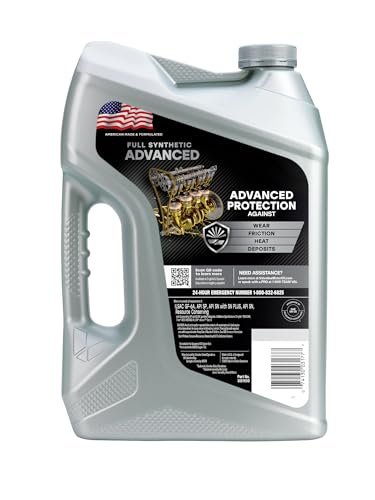
Valvoline Advanced Full Synthetic 0W-20, 5-Quart

Valvoline Advanced Full Synthetic 0W-20 is a strong daily driver pick. It is built for modern engines with tight parts and turbo power. It fights sludge and varnish, even with short trips or stop-and-go. 0w-20 synthetic oil flows fast in winter, so you get quick protection at start.
This 0w-20 synthetic oil also helps with fuel economy. It resists oxidation on long highway runs and hot weather. The add-pack targets timing chain wear and low-speed pre-ignition in GDI turbos. That is key for newer small engines in many cars.
Pros:
- Fast cold flow for easy starts and lower wear
- Strong detergents to keep pistons and turbos clean
- Designed to help prevent LSPI in GDI turbo engines
- Stable viscosity under heat for steady oil pressure
- Good value per quart from a trusted brand
- Works well with oil life monitors for sensible intervals
Cons:
- Not the “extended drain” line for very long intervals
- Some older engines may prefer a thicker grade
- Bottle design can drip if you pour too fast
My Recommendation
If your owner’s manual calls for 0w-20 synthetic oil, this is an easy yes. It suits small turbos, hybrids, and daily sedans. I like it for city drivers with short trips that cause sludge risk. I also like it for cold climates thanks to its fast flow at start.
The best part is trust. Valvoline’s formula balances price and proven wear control. You get stable protection and clean internals 0w-20 synthetic oil simple use. Follow your manual or your OLM for intervals. For most drivers, this bottle does the job right.
| Best for | Why |
|---|---|
| Daily commuters and families | Clean engines, smooth starts, and steady MPG with 0w-20 synthetic oil |
| Hybrids and small turbo GDI | Helps reduce LSPI risk and keeps turbos and timing chains clean |
| Cold climates | Fast flow at low temps protects parts at first crank |
What 0W-20 Synthetic Oil Is and Why It Works
Let’s keep this simple. The “0W” part is the winter grade. 0w-20 synthetic oil means the oil flows fast at very low temperatures. The “20” part is the hot grade. It means the oil acts like a 20-weight when warm.
That balance is the magic. 0w-20 synthetic oil can move fast at start. It also keeps a stable film at operating temp. That helps reduce wear early and late. Your engine feels quiet and smooth during the ride.
The “synthetic” part matters too. These base stocks are very pure. They resist oxidation and thickening. They resist sludge in harsh use. Additives complete the blend to fight wear, rust, and foam.
Modern engines are tight and very smart. They use small oil passages and fine control. They need clean oil that flows fast. That is why many cars now call for 0w-20 synthetic oil. It is a match for tight parts and tiny turbos.
Who Should Use 0w-20 synthetic oil and Who Should Not
Use 0w-20 synthetic oil if your manual says so. That is the first rule. Toyota, Honda, Lexus, Mazda, Subaru, and many others spec it. So do many hybrid models. Ford and GM use it in some lines too.
0w-20 synthetic oil is great for cold places. It is great for short trips and city runs. It helps with MPG and easy starts. It also suits direct-injection turbo engines that need LSPI defense.
Do not use 0w-20 synthetic oil if your manual calls for a thicker oil. Some older cars want 5W-30 or 10W-30. Some heavy-duty use needs 5W-30 or 0W-30. Towing in desert heat can push you toward a thicker grade when approved.
If in doubt, use your cap and manual as your guide. Also check any OEM oil life app or dealer notice. Stick to the spec. Your warranty depends on 0w-20 synthetic oil. Your engine life does too.
Key Specs to Check Before You Buy 0w-20 synthetic oil
Look at the back label. You will see quality marks. API SP is the current main spec for gasoline. 0w-20 synthetic oil helps with wear, deposits, and chain protection. It also targets LSPI, which hurts turbo GDI engines.
You may also see ILSAC GF-6A. That is a fuel economy and wear spec for thin oils. Some labels note “Resource Conserving.” That is a sign of better MPG. Some brands also meet GF-6B for 0W-16. That is for even thinner oil in newer cars.
GM drivers should look for dexos1 Gen 3. 0w-20 synthetic oil is a strict test. It covers wear, deposits, and LSPI. Some 0w-20 synthetic oil passes it. Always match what your manual requests.
Other points matter too. Viscosity index shows how steady the oil stays across temps. Noack volatility shows how much oil can evaporate under heat. Lower is better. High-quality 0w-20 synthetic oil scores well here.
Real-World Benefits You Will Notice
Cold start is the toughest time for your engine. Most wear happens right then. 0w-20 synthetic oil flows fast at low temps. It can cut wear during those first seconds.
You will feel smoother idle and low noise. You may see better fuel economy. It is not huge, but every bit helps. 0w-20 synthetic oil can be enough to notice over a tank or two.
Turbo engines stay cleaner with good oil. Intake valves in GDI engines need help too. Strong detergents reduce deposits. A clean engine holds power longer and runs cooler.
Long trips in heat are fine with a good synthetic. 0w-20 synthetic oil keeps its shape under stress. That means stable oil pressure and less burn-off. Your top-offs will be less frequent when the engine is healthy.
How I Judge 0w-20 synthetic oils Before I Hit “Buy”
I treat oil like I treat brake pads and tires. Safety first. I check the specs, not just the brand. API SP and the OEM approvals are must-haves. If the label lists those, I feel safe.
I then read the fine print on deposit control and chain wear. GDI and turbo engines need that edge. A good 0w-20 synthetic oil will call it out. I also scan for Noack and VI if the brand publishes them.
Price per quart is next. I look at value over miles. Cheap oil that thins or burns is not a deal. A fair price 0w-20 synthetic oil clean lab results is a win.
Finally, I look at pouring, cap seal, and date codes. Fresh oil stores well. A smart spout saves mess. These small things tell me a brand cares.
How to Change 0w-20 synthetic oil at Home, The Easy Way
Get your supplies first. You need 0w-20 synthetic oil, the correct filter, and a new crush washer. You also need a drain pan, funnel, and gloves. Check your manual for oil capacity.
Warm the engine for a few minutes. This helps thin the oil for fast drain. Park on level ground and set the brake. Place the pan under the drain plug.
Remove the plug and let it drain. Replace the washer and tighten the plug to spec. Then spin off the old filter. Lightly oil the new filter’s gasket and spin 0w-20 synthetic oil on by hand.
Fill with your 0w-20 synthetic oil. Use a funnel and pour slow. Check the dipstick and top off if needed. Start the car and check for leaks. Reset the oil life monitor if equipped.
How Often to Change 0w-20 synthetic oil
Follow your owner’s manual or oil life monitor. Many modern cars go 7,500 to 10,000 miles. Some go by time, like once a year. Light hybrids may stretch longer under easy use.
Severe service needs shorter intervals. Short trips, heavy idling, dusty areas, and towing count as severe. Cold climates 0w-20 synthetic oil many cold starts also count. In those cases, I lean toward the shorter end.
0w-20 synthetic oil can handle heat and stress. But every engine is different. Use the guidance built into your car. Your results will be better and safer.
Oil Analysis: When 0w-20 synthetic oil Helps and When It Doesn’t
Used oil analysis can be useful. 0w-20 synthetic oil shows wear metals, fuel dilution, and viscosity. It can spot a trend before it becomes a problem. It can also check if your interval is too long.
For daily drivers, you do not need it every time. Try 0w-20 synthetic oil once if you push long intervals. Try it if you tow, track, or have oil use concerns. Keep reports to see trends over time.
0w-20 synthetic oil often tests well for viscosity control. Good brands resist shear and fuel dilution. If your analysis shows high fuel, check for short trips and misfires. Fix the cause, not just the symptom.
Fuel Economy: What You Can Expect
Thin oils cut drag between parts. 0w-20 synthetic oil reduces pumping losses. The effect is small, but it adds up. You may see a rise of 0.2 to 0.5 MPG in mixed driving.
The largest gain is from warm-ups and stop-and-go. Cold flow helps right away. A clean engine also holds 0w-20 synthetic oils tune. Smooth rings and clean turbos make a difference you can feel.
Remember driving habits are the top factor. Tire pressure and alignment matter too. Keep those in check. Oil is one part of a bigger picture.
Cold and Hot Weather Performance
Below freezing, oil turns thick fast. 0w-20 synthetic oil is built for that. It pumps with less effort on cold starts. That means fast pressure and less wear.
In summer heat, it holds its film. It keeps seals happy. It keeps bearings safe on long grades.0w-20 synthetic oil also resists oxidation under long highway runs.
If you live in a very hot region and tow, check your manual. Some cars allow a thicker grade when towing. Use what the maker says. That is key for long life.
GDI, Turbos, and LSPI
Small turbo engines are common now. They make big power from small size. They also face LSPI, which can harm pistons under low RPM high load. Additives help fight that.
API SP targets LSPI. So do certain OEM specs. A quality 0w-20 synthetic oil meets these marks. That is why I stress checking the back label.
If you lug the engine at low revs, be mindful. Downshift or ease into the throttle. The right oil and smart driving keep you safe. Your engine will thank you.
Hybrids Love Thin 0w-20 synthetic oil
Hybrids start and stop often. That is hard on oil. 0w-20 synthetic oil flows fast and protects during those starts. It also keeps the engine clean during long off periods.
Many hybrids spec 0W-20 or even 0W-16. Follow your label under the hood. Use the grade and spec 0w-20 synthetic oil requests. You will see smooth restarts and quiet running.
Short trips in cold weather are common for hybrids. Thin oil is best for that. It reduces wear and keeps fuel use low. 0w-20 synthetic oil suits the hybrid mission well.
Myth Busting: Thin 0w-20 synthetic oil vs Engine Wear
Many drivers think thin oil means more wear. That is not true in modern designs. New engines are built for thin oil flow. They use tight clearances and fine control.
The oil must meet the right spec. That is what matters most. 0w-20 synthetic oil protects at start and at speed. It is tested for that job.
Another myth is that synthetic causes leaks. It does not. 0w-20 synthetic oil can reveal an old leak because it cleans sludge. But it does not harm seals. In fact, many formulas condition seals.
How to Read the Back Label Like a Pro
Start with the grade. You want 0W-20. Then look for API SP. Next, look for ILSAC GF-6A. That covers fuel economy and wear.
Check for OEM approvals if your car needs them. GM dexos1 Gen 3 is common. Some Asian brands list their own internal tests. The more boxes 0w-20 synthetic oil checks, the better.
Some brands publish Noack and viscosity index on their site. Low Noack is good for oil burn. High VI is good for stable flow. If a brand shares these, it is a good sign.
Warranty and Documentation Tips 0w-20 synthetic oil
Keep your receipts and note the miles. That proves you did the work on time. If you use 0w-20 synthetic oil of the right spec, your warranty stays safe. The law supports that.
If your car has an oil life monitor, take a photo at change time. Also note the date and miles. This takes a minute. 0w-20 synthetic oil can save hours later if a claim comes up.
Stick to the OEM filter or a quality cross. Filters matter as much as oil. A bad filter can undo the good oil. Do not cut corners there.
Fixing 0w-20 synthetic oil Consumption the Smart Way
Some engines sip oil. Small turbos can do that. So can high miles. Check your dipstick monthly and top off as needed.
Use the correct 0w-20 synthetic oil first. Then check for leaks at the pan, valve cover, and timing cover. If it burns, look for PCV issues. Sticky rings are rare on good oil and steady intervals.
If you see blue smoke, get a pro check. A compression test can help. A borescope can show deposits. Fix the cause, not just the symptom.
Storage and Handling
Store oil in a cool, dry place. Keep the cap tight and clean. Synthetic oil lasts on the shelf for years. But fresh stock is best when you can get 0w-20 synthetic oil.
Do not leave the funnel dirty. Dust and grit can ride with the oil. Wipe the bottle lip before and after you pour. Small habits prevent big issues.
Recycle used oil at a parts store or waste center. Never dump 0w-20 synthetic oil. Used oil is bad for soil and water. Many stores take it for free.
Cost Per Mile: Getting Real Value
Do a simple math check. Divide the oil and filter cost by your miles per change. That shows cost per mile. 0w-20 synthetic oil often wins here.
Why? It keeps engines clean and happy. 0w-20 synthetic oil avoids early repairs. An engine that runs clean saves fuel and lasts longer. That is the big payoff.
Do not chase the cheapest jug. Chase the best match for your car. Price is only one part of value. The right oil saves you money over time.
Signs You Waited Too Long
Long cranks and noisy valves are a warning. Dark, thick oil on the dipstick is a clue. Burnt smell from the oil is also bad. Sludge under the cap means you stretched it too far.
If this sounds like your car, shorten the interval next time. Use a quality 0w-20 synthetic oil. Consider a gentle clean with steady changes. Do not flush with harsh chemicals unless a pro suggests it.
Engines forgive a few mistakes. But they remember patterns. Get back on track and stay there. Your engine will quiet down and run cooler again.
Seasonal Tips You Can Use Today 0w-20 synthetic oil
Before winter, change the oil if it is due soon. Fresh 0w-20 synthetic oil makes cold starts easy. Check the battery and coolant too. Cold exposes weak parts.
Before summer road trips, check level and color. Top off if needed. Bring a quart in the trunk for long drives. Use a funnel to keep 0w-20 synthetic oil clean.
After hard use, such as towing or mountain climbs, take a minute. Let the engine idle a bit before shutoff. This protects the turbo.0w-20 synthetic oil also helps oil drain back and cool down.
Compatibility 0w-20 synthetic oil Additives
Modern oils are balanced systems. Extra additives can upset that balance. In most cases, you do not need anything extra with 0w-20 synthetic oil. The bottle already holds anti-wear and detergents.
Fuel system cleaners are a different topic. Those can help injectors and valves. Use them as directed, not 0w-20 synthetic oil every tank. Follow your maker’s advice.
If you suspect timing chain noise, use a quality oil first. Check the interval and level. Additives are a last resort, and not for every engine. Diagnose before you dose.
Choosing the Right Filter With Your 0w-20 synthetic oil
Thin oil needs a filter that flows well and holds fine debris. Look for OEM, or a quality brand 0w-20 synthetic oil known media. Check the bypass valve spec if published. Good filters list efficiency and capacity.
When in doubt, the OEM filter is safe. It is tuned for your engine. Pair it with 0w-20 synthetic oil for the designed performance. Replace the crush washer if your car uses one.
Do not over-tighten the filter. Hand-tight plus a small snug is enough. Overtightening can crush the gasket. That causes leaks later.
Why I Keep Coming Back to 0W-20 Synthetic
I drive a lot of short trips. I also do highway runs on weekends. 0w-20 synthetic oil gives me the best of both worlds. It wakes up fast and stays stable in heat.
Oil analysis has backed that up in my cars. Wear numbers stay low. Viscosity hangs tight. Oxidation and fuel dilution stay in range.
0w-20 synthetic oil is easy to find and easy to buy in bulk. The price per quart is fair. It is a simple choice if your cap says 0W-20. It just works in real life.
FAQs Of 0w-20 synthetic oil
Can I use 0W-20 if my manual says 5W-20?
Use what your manual says. Some makers allow both grades. If both are listed, 0w-20 synthetic oil is fine.
Is 0w-20 synthetic oil too thin for summer?
No, not if your engine is built for 0w-20 synthetic oil. The “20” hot rating protects at operating temp.
Will 0w-20 synthetic oil improve fuel economy?
0w-20 synthetic oil can help a bit. Expect a small gain with smooth driving and correct tire pressure.
How often should I change 0w-20 synthetic oil?
Follow your manual or the oil life monitor. Severe service needs shorter intervals.
Is 0w-20 synthetic oil good for hybrids?
Yes. Hybrids benefit from fast cold flow and clean running during frequent starts.
Final Verdict: Which Should You Buy?
If your car calls for it, 0w-20 synthetic oil is the smart choice. It starts fast, runs clean, and helps MPG without drama.
Valvoline Advanced Full Synthetic 0W-20 is a safe, proven pick. 0w-20 synthetic oil balances price, specs, and real-world results very well.
Rising temps and rough idle after a hard ride are classic lubrication symptoms—not mystery failures.
The right 10W-30 motorcycle oil stabilizes heat, smooths clutch engagement, and blocks varnish before it forms. Cleaner internals. Calmer operation. Longer engine life.
If you want cooler runs and smoother rides without trial and error, this is the correct prescription.
🛢️ AutomotiveBoss.com recommends performance-tested motorcycle oils that protect under pressure—choose right, ride smoother, last longer.