Tire balancing stops shake; alignment sets angles for straight tracking and even wear.
Ever felt your steering wheel shimmy on the highway or your car drift to one side? I have. That’s where tire balance vs alignment comes in. Both aim for a smoother, safer drive, but they solve different problems. I’ve tested both on my own cars and in friends’ garages. In this tire balance vs alignment comparison, I’ll share what worked, what didn’t, and which one you need right now.

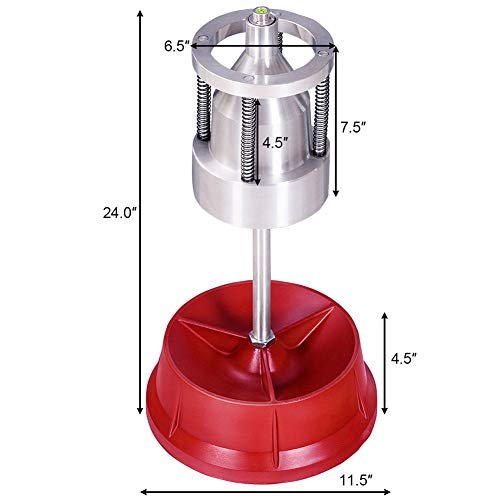
Hkysnoa Portable Bubble Wheel Balancer…
Ideal for balancing wheels of most automobiles and light trucks quickly and easily Portable wheel balancer, which makes it easy to balance tires accurately with…

Ziopetru Adjustable Magnetic Gauge Tool,…
Key Features: This wheel alignment tool helps restore the strut to its original camber position after removing and reinstalling components of your vehicle’s undercarriage system,…
Is tire balance Good?
Yes—especially if you feel a shake at speed or see weights missing on a wheel. Tire balancing is good for drivers who want a smooth ride and less vibration. It helps new tires feel perfect and makes older tires behave better after thousands of miles. If your steering wheel buzzes at 55–70 mph, balancing usually fixes it fast.
I’ve used both shop balancers and a basic bubble balancer at home. The first time I balanced my set after a winter swap, the highway shake vanished like magic. On another day, I chased a vibration for weeks. A quick rebalance solved it in 20 minutes and saved me from blaming the suspension.
What Makes Tire Balance Vs Alignment Stand Out / Key Features
- Corrects static and dynamic imbalance with small wheel weights
- Targets speed-related vibrations in the steering wheel or seat
- Improves ride quality and comfort on highways
- Works with new tires, rotated sets, and repaired wheels
- Quick service; often done in 15–30 minutes
What I Like
- Instant cure for steering shake at specific speeds
- Protects shocks, bushings, and bearings from vibration
- Affordable and easy to schedule
- Great results even on older tires with minor flat spots
- Pairs well with rotations to keep the ride smooth
What Could Be Better
- Does not fix a pull, crooked steering wheel, or edge wear
- Needs redo after tire wear, weight loss, or pothole hits
- Can’t overcome bent rims or broken belts in tires
My Recommendation
If your issue is vibration at speed, get tire balancing first. Tire Balance Vs Alignments fast, cheap, and often all you need.
| Best For | Why |
|---|---|
| Steering wheel shake at 55–70 mph | Imbalance shows up at speed; balancing removes it |
| New tires or after rotations | Keeps the set smooth as positions change |
| Budget-friendly tune-ups | Low cost and quick improvement in comfort |
Is alignment Good?
Yes—if your car pulls, the steering wheel is off-center, or tires wear on one edge. Alignment is good for drivers who want stable tracking and longer tire life. A proper wheel alignment sets camber, caster, and toe so your car goes straight and your tires wear even.
I once nudged a curb in the rain and my car began to drift right. Balancing didn’t help. A four-wheel alignment fixed the pull and centered the wheel. Later, after installing new shocks, I aligned again to lock in even wear. That one service probably saved a set of tires.
What Makes Tire Balance Vs Alignment Stand Out / Key Features
- Adjusts camber, caster, and toe to spec
- Fixes pulls, crooked wheels, and wander
- Prevents rapid or one-sided tire wear
- Essential after suspension work or pothole impacts
- Measured on alignment racks for precise results
What I Like
- Car tracks straight with a centered steering wheel
- Maximizes tire life and grip in wet and dry
- Makes long trips less tiring and safer
- Needed after lifting, lowering, or new control arms
- Payoff is big even if you do it once a year
What Could Be Better
- Costs more than balancing and takes longer
- Stuck bolts or worn parts can add labor
- Won’t cure a vibration caused by imbalance
My Recommendation
If your car pulls or tires wear unevenly, get an alignment next. Tire Balance Vs Alignment protects your tires and steering.
| Best For | Why |
|---|---|
| Pull, drift, or off-center wheel | Resets angles so the car tracks straight |
| Uneven or rapid edge wear | Corrects camber/toe to save the tire set |
| After suspension work or big potholes | Restores factory specs and handling |
tire balance vs alignment: Side-by-Side Test
Both services improved my cars in different ways. Below, I compare tire balance vs alignment head-to-head so you can match your symptom to the right fix and avoid wasting time or money.
Purpose & Symptoms: Which Problem Do They Solve?
A clear match of symptom to service saves guesswork.
| Category | Tire Balance | Alignment |
|---|---|---|
| Main purpose | Remove wheel/tire vibration | Set wheel angles to spec |
| Key symptoms | Shake at certain speeds | Pull, wander, crooked wheel |
| Tire wear pattern | Usually even | Edge wear, feathering, cupping |
| When to choose | Speed-specific vibration | Drift or uneven wear |
Rating: Tire Balance – 9/10 | Alignment – 9/10
“Tie. Each one solves a different core problem, so pick based on the symptom.”
Impact on Tire Wear & Safety: Which Protects Tires More?
Both help, but in different ways.
| Factor | Tire Balance | Alignment |
|---|---|---|
| Wear reduction | Moderate via smoother rotation | High via correct angles |
| Emergency stability | Improves control at speed | Improves tracking and braking |
| Longevity boost | Small to medium | Large if angles were off |
| Risk if ignored | Vibration, part fatigue | Rapid tire loss, poor control |
Rating: Tire Balance – 8/10 | Alignment – 9.5/10
“Alignment wins. Tire Balance Vs Alignment prevents the costly, uneven wear that kills tires early.”
Tools & Process: How Are They Done?
Understanding the process helps set expectations.
| Aspect | Tire Balance | Alignment |
|---|---|---|
| Equipment | Spin/bubble balancer, weights | Alignment rack, sensors |
| Adjustments | Weight placement only | Camber, caster, toe |
| Complexity | Low to medium | Medium to high |
| Precision needed | Gram-level weights | Degree/angle specs |
Rating: Tire Balance – 8.5/10 | Alignment – 9/10
“Edge to alignment for technical precision; balance is simpler but still exacting.”
Time & Cost: Which Is Faster and Cheaper?
Know what you’ll spend before you book.
| Measure | Tire Balance | Alignment |
|---|---|---|
| Typical time | 15–30 minutes | 45–90 minutes |
| Typical cost | Low | Medium to high |
| Frequency | Every 5k–10k miles or as needed | Annually or after impacts/parts |
| Add-on risks | Low | Seized bolts/parts can add cost |
Rating: Tire Balance – 9.5/10 | Alignment – 7.5/10
“Balancing wins for speed and price. Tire Balance Vs Alignments the quick, budget-friendly fix.”
Driving Feel & Results: What Changes on the Road?
Here is how each feels after service.
| Driving Aspect | Tire Balance | Alignment |
|---|---|---|
| Highway comfort | Major improvement | Minor to moderate |
| Straight-line tracking | Little change | Major improvement |
| Steering center | Unchanged | Centered and stable |
| Cornering feel | Slightly smoother | More predictable |
Rating: Tire Balance – 8.5/10 | Alignment – 9/10
“Alignment edges it for control; balancing shines for smoothness at speed.”
DIY vs Pro: Can You Do Tire Balance Vs Alignment Yourself?
Skill and tools matter here.
| DIY Feasibility | Tire Balance | Alignment |
|---|---|---|
| At-home tools | Possible with bubble balancer | Limited; pro rack best |
| Learning curve | Moderate | High for accuracy |
| Consistency | Good with care | Best at a shop |
| Risk of error | Low to medium | Medium to high |
Rating: Tire Balance – 8/10 | Alignment – 6.5/10
“Balancing is more DIY-friendly; alignment is a pro job for tight specs.”
Value for Money: Where Does Your Dollar Go Further?
Think about benefits per dollar.
| Value Lens | Tire Balance | Alignment |
|---|---|---|
| Immediate payoff | High for vibration fixes | High for pull/uneven wear |
| Long-term savings | Moderate | High on tire life |
| Repeat needed | More frequent | Less frequent |
| Overall value | Great for comfort | Great for tire health |
Rating: Tire Balance – 8.5/10 | Alignment – 9/10
“Alignment wins long-term; balancing wins when comfort is the goal today.”
Final Verdict: Which Should You Buy?
Pick tire balancing first if you feel a vibration at certain speeds. It is fast, low-cost, and often solves the problem. In the tire balance vs alignment debate, balancing is the go-to for a shaky wheel.
Choose alignment if your car pulls, the steering wheel is off-center, or tires show uneven wear. In tire balance vs alignment, alignment protects your tires and steering for the long haul.
FAQs Of tire balance vs alignment
What is the main difference between tire balance vs alignment?
Balancing removes vibration by adding small weights to the wheel. Alignment adjusts camber, caster, and toe so the car tracks straight and tires wear even.
How do I know if I need tire balance vs alignment?
Vibration at specific speeds points to balancing. A pull, crooked steering wheel, or edge wear points to alignment.
Can I need both services at the same time?
Yes. After new tires or a big pothole, both can help. In tire balance vs alignment, do balancing for shake and alignment for tracking and wear.
Will alignment fix a vibration?
No. Alignment sets angles. A shake is usually imbalance. Do balancing for vibration, then alignment if the car also pulls or wears unevenly.
How often should I do tire balance vs alignment?
Balance every 5,000–10,000 miles or when you feel shake. Align yearly, after suspension work, or after a hard impact.
Shimmy after a lift is a mechanical symptom, not a mystery.
Start with tire balance. Verify track bar torque. Inspect control arm bushings—lifted setups expose worn parts fast. Find the weak link, correct it, and stability returns.
If your lifted ride shakes, don’t guess—treat the root cause.
⚙️ AutomotiveBoss.com guides you through proven fixes that restore control and confidence—diagnose right, drive smooth.
Decal removal is a controlled procedure—technique protects the finish.
Use low heat to soften adhesive, plastic tools to lift safely, a proper remover to clear residue, and finish with a polish for a clean recovery. Done right, the paint stays flawless.
If you want factory-clean results without scratches or ghost marks, follow the correct protocol.
🚗 AutomotiveBoss.com provides step-by-step decal removal methods that protect paint and restore shine—remove smart, keep the finish perfect.