
The best 10w30 oil motorcycle pick keeps engines clean, cool, and shifts crisp.
You know that feeling when your bike starts fine, but shifting feels sticky as temps climb, or the idle gets rough after a hard ride? That’s often oil, not magic. The right 10w30 oil motorcycle formula can calm clutch chatter, keep heat in check, and stop varnish before it starts. I’ve tested, drained, sniff-tested (yes, really), and read far too many OEM manuals. My goal here is simple: help you choose 10W-30 oil with confidence, so your bike runs smooth today and for years. Let’s make the choice easy and smart.
[3-product-listings-blocks]
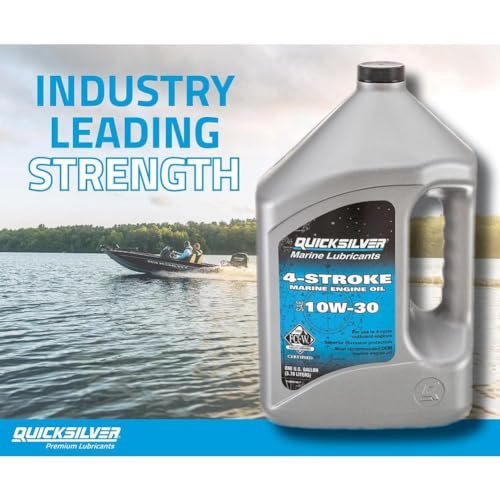
Quicksilver 10W-30 Marine Oil, 1 Gallon

This is a 10W-30 oil built for 4-stroke marine engines. 10w30 oil motorcycle is tuned to resist moisture, salt, and long, steady RPM use. The blend targets corrosion resistance, shear stability, and anti-foam. If you run boats, small inboards, or stern drives, this jug makes sense and saves money.
For motorcycles, use care. Most wet-clutch bikes need JASO MA or MA2 oil. Marine oil often uses friction modifiers that can cause clutch slip. If your scooter or small bike has a dry clutch or your manual allows API-only 10W-30 without JASO, it could be a stopgap. But I would pick a true motorcycle 10w30 oil motorcycle formula first.
Pros:
- Strong moisture and corrosion protection for humid or salty areas
- Stable viscosity under long, steady mid-RPM loads
- One-gallon jug offers good value for bulk users
- Clear labeling and easy-to-pour container
- Built for 4-stroke marine engines that demand anti-foam control
Cons:
- Not JASO MA/MA2 rated, so not ideal for wet-clutch motorcycles
- Marine-focused formulation may not match street bike needs
- Large jug can be harder to handle during solo oil changes
My Recommendation
If you own a boat or small marine engine, this is a smart buy. 10w30 oil motorcycle handles moisture, steady RPM, and storage well. For a 10w30 oil motorcycle pick, I would not use it in most wet-clutch bikes. Choose a JASO MA2 10W-30 motorcycle oil for clean shifts and zero clutch slip. If you have a dry-clutch scooter and your manual allows API SN/SM 10W-30 without JASO, this could work in a pinch. But a JASO MB scooter oil would still be my first call.
Bottom line: excellent marine oil, not a universal 10w30 oil motorcycle solution. It shines in boats and storage-prone engines. It is not built for shared-sump, wet-clutch bikes that need JASO MA/MA2. For riders, pick oil that matches your clutch and emissions system first.
| Best for | Why |
|---|---|
| Boat owners and marine users | Designed for moisture control, corrosion resistance, and marine duty |
| Garages with many small 4-stroke engines | Value one-gallon jug, stable viscosity, anti-foam in steady runs |
| Dry-clutch scooters (if OEM allows) | Can meet basic API needs, but a JASO MB scooter oil is better |
What 10W-30 Means for Motorcycles
10W-30 is a multigrade oil. The “10W” is its winter flow. It tells you how fast it moves at cold starts. The “30” is the hot viscosity at 100°C. 10w30 oil motorcycle shows how thick it stays when the engine is hot.
In simple terms, 10W-30 flows quick on start, yet still protects when hot. Many new Japanese bikes like this grade. It can improve fuel economy and smooth shifting. A modern 10w30 oil motorcycle pick often feels lighter at the lever.
Still, the label is only one part. Additive packs matter as much as thickness. Motorcycles need clutch-safe friction. They need shear stability too. That is why JASO ratings matter.
JASO MA, MA2, and MB: Why 10w30 oil motorcycle Matters
JASO is a Japanese standard for motorcycle oils. MA and MA2 are for wet clutches. They set friction rules, so clutches grab right. MA2 is the tighter spec and is my default pick today.
MB is for scooters that often have dry clutches. MB oils can use friction modifiers to boost mpg. They are not for wet clutches. This is key when you hunt a 10w30 oil motorcycle match.
Check your manual. If it says JASO MA2 10W-30, use that. If it says MB for a scooter, pick MB. If 10w30 oil motorcycle only lists API spec and 10W-30, choose a brand made for bikes. That keeps gearboxes happy.
10W-30 vs 10W-40 for Motorcycles
10W-30 flows a bit thinner when hot than 10W-40. The 30 grade can help mpg and cold feel. The 40 grade can help in high heat and hard riding. Both can be right, based on your bike and climate.
I use 10W-30 in cooler weather and on street bikes that call for it. I move to 10W-40 in hot summers or heavy two-up touring. If the manual lists both, pick by climate and riding load. For a 10w30 oil motorcycle choice, heat and load are your guides.
Synthetic vs Semi-Synthetic vs Mineral
Mineral oil is base crude refined. It works, but it shears faster. Change 10w30 oil motorcycle more often. Semi-synthetic blends add some synthetic base for better stability. They are a great value pick.
Full synthetic stands up to heat and shear the best. Shifts stay crisp longer. Deposits stay low. If you want the best 10w30 oil motorcycle experience, go full synthetic. It costs more, but it pays you back in feel and engine life.
API Ratings to Watch 10w30 oil motorcycle
API is a broad motor oil standard. For modern bikes, API SN or SP is common. SP helps 10w30 oil motorcycle timing chain wear and LSPI control in some engines. If your manual calls for API SL, SM, SN, or SP, follow it.
But API is not enough for a wet clutch. You also want JASO MA or MA2. A 10w30 oil motorcycle blend with JASO MA2 and API SN/SP is a sweet spot for many riders in 2026.
How Often Should You Change 10W-30 Motorcycle Oil?
Follow your manual first. As a rule, mineral 10W-30 is often 2,000–3,500 miles. Semi-synthetic is often 3,000–5,000 miles. Full synthetic can run 4,000–7,500 miles. Time also counts. Change at least once a year.
Riding style matters. Track days, slow traffic in heat, or dusty trails shorten intervals. Oil darkens with use. That is normal. But if shifts get notchy, that is your early warning. Fresh 10w30 oil motorcycle fluid can bring the snap back fast.
How to Pick the Right 10W-30 Oil for Your Bike
- Read your owner’s manual first. Note grade, JASO, and API specs.
- Match JASO MA2 for wet clutches. MB only if your scooter manual says so.
- Choose synthetic for long rides, hot zones, and hard use.
- Pick semi-synthetic for balanced cost and performance.
- Stick to known motorcycle brands with clear specs.
- Avoid “energy conserving” labels in wet-clutch bikes.
- For older bikes, watch for zinc/phosphorus limits and catalyst needs.
How to Change Motorcycle Oil at Home (Quick Guide)
Warm the engine for two to three minutes. Get a drain pan and gloves. Loosen the fill cap. Pull the drain bolt and let oil flow. Swap the crush washer if needed.
Replace the filter. Wipe the seat clean. Torque the bolt to spec. Add fresh 10w30 oil motorcycle grade to the fill line. Start the bike and check for leaks.
Shut down and recheck the level. Top up as needed. Dispose of used oil at a recycle site. Keep a log with miles and date. 10w30 oil motorcycle helps your future self.
Common Myths About 10w30 oil motorcycle
“Any car oil will do.” Not true for wet clutches. Car oils may slip. JASO MA or MA2 matters. “Thicker is always better.” Not true either. Too thick can slow flow and hurt mpg.
“Synthetic causes leaks.” It does not. 10w30 oil motorcycle can clean seals. Old, hard seals may then show leaks that were already there. “You must change every 1,000 miles.” Overkill for quality synthetics. Follow your manual and use common sense.
Riding Climate and 10w30 oil motorcycle Choice
Cool to mild climates are great for 10W-30. Many riders in spring and fall like 10w30 oil motorcycle. In high heat or slow traffic, oil temps rise fast. Consider 10W-40 if your manual allows it.
Stop-and-go summers add shear stress. A full synthetic 10w30 oil motorcycle blend holds up better. If you ride in deserts or mountains, shift feel will tell you the truth. Listen to it.
Wet Clutch Feel: What Good Oil Should Do 10w30 oil motorcycle
Good oil gives smooth, repeatable engagement. It cuts chatter. 10w30 oil motorcycle reduces drag at a stop. It keeps shifts light. As oil ages, engagement can feel grabby or lazy. That is your cue.
With a top 10w30 oil motorcycle formula, shifts feel crisp longer. Neutral is easier to find. You feel the gear dogs bite, not grind. It is subtle but clear once you notice it.
Signs You Picked the Wrong Oil
- Clutch slip when you roll on in higher gears
- Hard neutral or clunky shifts that arrived soon after an oil change
- Excess heat or ticking you did not hear before
- Oil smells burnt early in the interval
- Unusual foaming on the dipstick in steady high RPM rides
If this happens, check the label. Make sure it is JASO MA/MA2 for wet clutches. Verify grade and API specs. A fast swap to a proper 10w30 oil motorcycle product often fixes issues at once.
Do Additives Help 10w30 oil motorcycle?
Most modern motorcycle oils are well balanced. Extra additives can upset clutch friction. They also can change detergency and foam control. I avoid aftermarket additives in wet-clutch bikes.
If you have a unique need, like storage rust protection, pick an oil that builds that in. Marine formulas do this for boats. For street bikes, choose a brand 10w30 oil motorcycle strong base oil and a JASO MA2 claim. That is a safer path.
Storage, Shelf Life, and Top-Ups 10w30 oil motorcycle
Unopened oil lasts many years if stored cool and dry. Opened jugs last a year or two. Keep caps tight. Avoid dirt. Label the date 10w30 oil motorcycle a marker.
Use a funnel for clean top-ups. Do not mix many brands and grades. Small top-ups with a matching 10w30 oil motorcycle product are fine. Big blends are not wise. Your clutch and additives will thank you.
Motorcycle Types That Often Use 10w30 oil motorcycle
Many Honda street bikes and modern scooters list 10W-30. Some Yamaha and Suzuki models do too. Touring riders in cooler regions choose 10w30 oil motorcycle for mpg and smooth feel. Commuters like easy cold starts.
Check the manual first. If it says 10W-30 JASO MA2, pick that. If 10w30 oil motorcycle says MB for a scooter, follow MB. A proper 10w30 oil motorcycle match locks in the right friction and heat control for your engine and clutch.
High Mileage Bikes and 10w30 oil motorcycle
Older seals can harden. If you see weeps, 10W-40 may help. But first, check torque on covers and drain bolt. Switch to a full synthetic 10w30 oil motorcycle MA2 and watch. Good synthetics can clean rings and help hot idle.
I have seen old bikes get a new life with the right oil. The fix is not magic. It is base oil quality and stable viscosity. A solid 10w30 oil motorcycle blend can lower noise and clean varnish over time.
Rider Use Cases and Oil Choices
- Short trips in cool zones: 10W-30 synthetic for fast flow and less wear
- Summer city traffic: 10W-30 MA2 synthetic, or 10W-40 if manual allows
- Weekend twisties: 10W-30 MA2 synthetic for clean shifts at high revs
- Track days: Many riders move to 10W-40 MA2 for heat; follow manual
- Scooters: 10W-30 JASO MB if the manual lists MB
Cost vs Value 10w30 oil motorcycle
Oil is cheaper than engines. 10w30 oil motorcycle is cheaper than clutches too. I buy quality and watch for sales. A great 10w30 oil motorcycle brand at a good price is a win.
Full synthetics cost more up front. They often stretch intervals. They keep gear feel sharp. That saves time and money later. For most riders in 2026, synthetic is the smart long-term play.
How I Test Oils in the Real World 10w30 oil motorcycle
I track shift feel from day one. I note neutral ease, clutch bite, and noise. I ride in heat and at night to feel differences. I log miles and riding style.
Used oil analysis adds data, but feel matters too. Your gearbox talks to you. A strong 10w30 oil motorcycle formula keeps that feel consistent for more miles. That is what I want from oil.
FAQs Of 10w30 oil motorcycle
Can I use car 10W-30 in my motorcycle?
Not in wet-clutch bikes. Pick JASO MA or MA2 10w30 oil motorcycle. Car oils can cause slip.
Is 10w30 oil motorcycle okay for hot weather?
Yes, if the manual allows 10w30 oil motorcycle. For extreme heat or hard use, try 10W-40.
How often should I change 10W-30 motorcycle oil?
Follow the manual. Often 3,000–7,500 miles based on oil type and riding.
What is the difference between JASO MA and MA2?
MA2 is a tighter friction spec. 10w30 oil motorcycle helps wet clutches engage cleanly.
Will synthetic 10w30 oil motorcycle make my bike leak?
No. 10w30 oil motorcycle can clean seals. Old seals may show leaks that already existed.
Final Verdict: Which Should You Buy?
The Quicksilver jug is a strong marine oil. It shines in boats. It is not built for wet-clutch bikes, so it is not my main 10w30 oil motorcycle pick.
For motorcycles, choose a JASO MA2 10w30 oil motorcycle synthetic that matches your manual. You will get smooth shifts, solid clutch bite, and longer life.