
A car lock out kit is a compact set of tools to unlock your car safely.
You close the door, hear the click, and then spot your keys on the seat. Your stomach drops. It happens to careful drivers every day, and it always seems to be at the worst time—late night, bad weather, or a busy parking lot. A car lock out kit gives you a fast, safe way to get back into your vehicle without waiting for a tow truck and without breaking a window. In this review, I’ll explain what to look for, how to use these kits safely, and which add-on gear can make your vehicle more secure once you’re back on the road.
[3-product-listings-blocks]
Tevlaphee Heavy-Duty Steering Wheel Lock

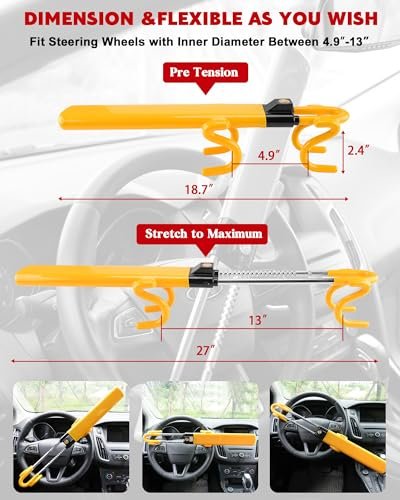
This sturdy steering wheel lock is designed to deter theft with a bright, high-visibility yellow bar and a rugged steel body. car lock out kit adjusts to fit most cars, SUVs, and trucks, and the three keys add convenience for households with more than one driver. The lock mechanism feels solid in hand, which inspires confidence when you’re leaving your vehicle in unfamiliar places. Visibility matters in theft deterrence, and this model stands out so would-be thieves think twice.
While a car lock out kit helps you get back into your car, this lock helps keep it where you left it. I like using it in high-risk areas or when I park overnight. It’s a physical deterrent that complements modern alarms and immobilizers. For drivers who want tangible peace of mind, this is a smart, easy layer of protection.
Pros:
- Heavy-duty steel build feels solid and secure
- High-visibility yellow design deters theft at a glance
- Adjustable fit works with most cars, SUVs, and trucks
- Comes with three keys for backup and shared use
- Simple on/off operation in seconds
- Visible through the windshield to discourage break-ins
- Compact enough to store under the seat when not in use
- Durable finish resists scratches and daily wear
- Useful add-on for rental cars or short-term parking
Cons:
- Not a car lock out kit; it prevents theft rather than unlocking doors
- Can feel bulky for compact glove boxes
- Keyed system means you must keep track of the keys
My Recommendation
This steering wheel lock is best for drivers who want a visible, no-nonsense theft deterrent to pair with a car lock out kit in their trunk or bag. If you often park in public garages, college campuses, airport lots, or city streets overnight, the bright color and robust build make a strong case. It’s also a good fit for rideshare drivers and delivery pros who need quick, repeatable security between stops.
I recommend this for anyone who loves a simple, physical barrier that sends a clear message. Use your car lock out kit to solve lockouts and this wheel lock to discourage theft after you get back in. Together, they help you regain access fast and protect your vehicle when you walk away.
| Best for | Why |
|---|---|
| City and campus parking | High visibility deters quick theft attempts in busy lots. |
| Overnight street parking | Adds a physical barrier thieves must bypass, buying time. |
| Rideshare and delivery work | Easy on/off design suits frequent stops and short breaks. |
What is a car lock out kit?
A car lock out kit is a compact set of tools that lets you open your locked vehicle when the keys are inside. It usually includes an air wedge or pump wedge, a long-reach tool, and protective sleeves. The wedge creates a small gap without damage. The reach tool then presses the unlock button or pulls a handle.
With the right technique, you can regain entry in minutes. This saves time and money if you get locked out often or drive far from roadside services. It’s a practical kit for families, commuters, delivery drivers, and anyone who wants to be prepared.
What’s inside a modern car lock out kit?
A standard car lock out kit includes a few simple items that work together. The air wedge is a soft, inflatable bag that slips between the door and the frame. A hand pump inflates it to open a small, controlled gap. This avoids prying with metal, which could scratch paint or bend the frame.
The long-reach tool slides through the gap to reach lock switches, door handles, or keys on the seat. Some kits include multiple tips for different cars and buttons. You’ll also find a protective sleeve or door guard. This thin plastic layer shields the paint and weather stripping as you work.
More advanced kits may include a rigid wedge, a non-marring trim tool, and a grabber loop. These extras help with older vehicles or tricky button placements. For frameless windows and tight seals, a slimmer, more flexible reach tool is useful. Look for stainless steel or coated tools that won’t rust and that feel stable in hand.
How to choose the right car lock out kit
Match the kit to your vehicle and your comfort level. If your car has tight seals and electronic locks, choose a kit with a soft air wedge and a coated reach tool. These reduce the chance of scratches. If you drive a truck or SUV, pick a longer reach tool. This makes pressing rear door or tall window controls easier.
Check for a smooth pump valve on the wedge. You want fine control. Over-inflation is a risk if the valve is crude. Look for a reinforced seam to prevent leaks. A protective sleeve is a must for painted surfaces. If the kit doesn’t include one, buy it separately.
Consider storage. A compact case fits under a seat or in a side pocket. If you live in very hot or cold areas, pick materials that handle temperature swings. Rubber and fabric wedges can crack with age. Coated stainless tools resist rust if they get damp. Clear instructions are a bonus, especially if this is your first car lock out kit.
How to use a car lock out kit safely
Start by confirming the car is yours and that you have lawful access. Safety and legality matter. Never force a lock or pry the door with metal. Use a protective sleeve on the door edge to guard paint and trim. Insert the air wedge at the top corner of the door where it flexes most.
Inflate the wedge slowly. A small gap is enough. Slide the long-reach tool through the gap and aim for the unlock button or handle. Move with gentle, steady pressure. Avoid wiring, airbags, and weather stripping. Press the unlock button or pull the handle. Deflate the wedge, remove the sleeve, and check the door seal.
If you are unsure, call a pro. Some vehicles have tight tolerances or sensitive trim. For those, professional tools and experience reduce risk. If you keep a car lock out kit in your vehicle, practice once at home. Familiarity helps in a real emergency.
Legal and warranty notes
Use a car lock out kit only on your own vehicle or with the owner’s permission. Laws on vehicle entry vary by location. Some cars have protected systems or sensors near the door edge. Damage from improper use could affect warranties or insurance claims.
Take photos before you start if you’re helping a friend. Work slowly and avoid over-inflation. If your car is leased, check your agreement. When in doubt, contact roadside assistance for guidance.
Pro tips from the field
- Use two wedges if the door flex is stubborn, but inflate each only a little.
- Wrap the reach tool tip with electrical tape to add grip and protect buttons.
- Aim for an interior door handle rather than a small button when possible.
- Keep a microfiber cloth in the kit to wipe dirt before applying the sleeve.
- Practice the hand pump’s release valve so you can deflate with precision.
- Label your kit with your name and vehicle type for quick reference.
- Carry a spare fob battery; many lockouts happen when a weak fob dies.
- Store your kit away from sharp tools or heavy gear to avoid punctures.
Common mistakes to avoid
- Over-inflating the wedge and bending the door frame
- Skipping the protective sleeve and scratching paint
- Shoving the reach tool into wiring or airbag curtains
- Using improvised tools like coat hangers that can gouge trim
- Forgetting to check all doors first; one may already be unlocked
- Rushing the process in bad weather instead of working in small steps
Maintenance and storage
Keep your car lock out kit in a dry, easy-to-reach place. Under-seat storage, door pockets, and side cargo panels are great. Inspect the wedge for leaks every few months. Squeeze it while listening for air. Check the reach tool for bends or sharp burrs. Smooth any rough spots with fine sandpaper or replace the tool.
Wipe down tools after use. Road dust and grit can scuff paint if left on the sleeve or tip. If your kit includes fabric, let it air dry before storage. In hot climates, avoid direct sun in the rear deck. Prolonged heat can age rubber and adhesives. A small zippered pouch keeps all parts together so you never hunt for the pump or sleeve.
Emergency readiness checklist
- Car lock out kit with air wedge, reach tool, and protective sleeve
- Flashlight or headlamp for night use
- Work gloves to protect hands and improve grip
- Spare fob battery and small screwdriver if needed
- Emergency contact list and roadside assistance number
- Reflective vest and triangles for roadside safety
- Portable phone charger or jump starter with USB port
Car lock out kit vs. alternatives
Calling roadside assistance is easy but can take 30–90 minutes. In poor weather or remote areas, it may take longer. A car lock out kit can open your car in minutes if you know your vehicle well. That saves time and reduces stress, especially with kids or pets inside. On the other hand, if your car has laminated glass edges or very tight seals, a pro may be safer.
Old-school slim jims and coat hangers risk damaging linkages in modern doors. Airbags and window regulators are also at risk. Modern kits rely on controlled, gentle force and coated tools. That lowers the chance of marks or bent parts when used with care. For theft deterrence, a steering wheel lock is a different tool, but it pairs well with any lockout plan.
Who should carry a car lock out kit?
If you commute daily, drive long distances, or live in rural areas, a car lock out kit is a smart add. Parents and pet owners also benefit because lockouts often involve quick distractions. Fleet managers, rideshare drivers, and delivery pros save time and service fees by handling simple unlocks themselves. Road-trippers love the independence and peace of mind.
Students on campus and apartment dwellers face lockouts in tight parking spaces where help is slow. Outdoor workers, hikers, and campers are often far from service. For them, a kit turns a delay into a short pause. Add a steering wheel lock if you park in public lots often. It’s a strong visual deterrent that works the moment you leave your vehicle.
FAQs Of car lock out kit
Is a car lock out kit legal to use?
Yes, if you use it on your own vehicle or with the owner’s clear permission. Never use it on cars you don’t own.
Can a car lock out kit damage my car?
car lock out kit can if used wrong. Use a protective sleeve, inflate the wedge slowly, and avoid wiring and airbags. Work with care.
Will a car lock out kit work on all vehicles?
car lock out kit works on most, but very tight seals or special security systems can be hard. In those cases, call a pro.
What should I do first if I’m locked out?
Check all doors and the trunk. Sometimes one is unlocked. If not, set safety gear, then use your kit.
Should I carry a steering wheel lock as well?
Yes. A steering wheel lock deters theft. Use your car lock out kit for entry and the wheel lock for security.
Final Verdict: Which Should You Buy?
A car lock out kit is essential if you value time, safety, and independence. It helps you unlock your car fast and avoid long waits.
Pair your car lock out kit with the Tevlaphee Heavy-Duty Steering Wheel Lock for everyday security. Unlock when needed, then lock down your wheel to deter theft.