
Double sided adhesive tape for fabric gives fast, clean, sew-free fixes.
A loose hem always pops up at the worst time. A costume needs a quick tweak before a school play. A dress gap at the neckline begs for a clean hold that won’t show. That’s when double sided adhesive tape for fabric saves the day. It gives an instant bond, no needle, thread, or iron required. It holds edges in place, keeps folds crisp, and lets you move with confidence. If you want a fast, neat fix that looks like you planned it, this handy tape belongs in your drawer, your travel kit, and your car.
[3-product-listings-blocks]
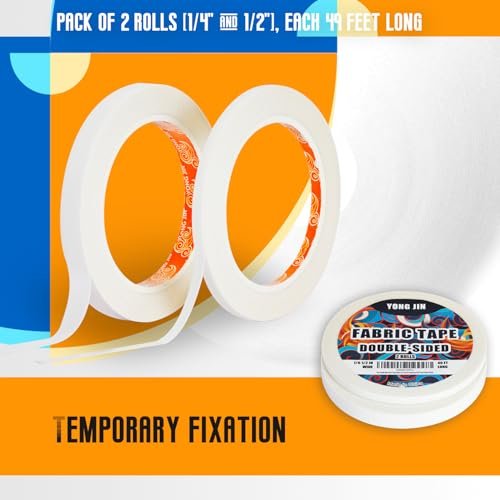
YONGJIN 2-Pack Fabric Tape, Hem & Craft

This YONGJIN set includes two rolls of double sided adhesive tape for fabric in useful widths: 1/4 inch for narrow hems and edges, and 1/2 inch for wider seams and crafts. It is designed for quick fixes and clean, invisible holds. You do not need a needle, thread, or iron. The tape sits flat under most fabrics and keeps hems crisp during daily wear.
I like the simple, clear carrier and strong adhesive that feels “tacky” but not gummy. double sided adhesive tape for fabric grabs cotton, polyester, and blends with ease. For delicate fabrics, test a small spot first to be safe. For best results, press firmly for a few seconds to activate the bond and let it set before heavy movement.
Pros:
- Two widths (1/4″ and 1/2″) cover hems, trims, and crafts
- No sewing or ironing needed for quick clothing repair
- Clear, low-profile tape stays invisible under most fabrics
- Strong hold on cotton, polyester, and many blends
- Great for travel, on-set wardrobe fixes, and last-minute hems
- Easy to cut and place; peels smoothly from the liner
- Works for crafts, trims, appliqués, and simple fabric bonding
Cons:
- Not ideal for heavy beaded fabrics or thick denim cuffs
- Heat from dryers may weaken the adhesive over time
- May leave slight residue on some delicate finishes; test first
My Recommendation
If you want fast, fuss-free fixes that look clean, this set is a smart pick. The two widths make it flexible for hems, trims, and quick costume or cosplay tweaks. double sided adhesive tape for fabric is especially handy for travel, events, photoshoots, and school plays. If you do not want to sew or iron, double sided adhesive tape for fabric like this offers the best balance of speed and hold.
Choose it if you need a tidy hem in minutes or a gap fix that disappears on camera. It will not replace a permanent stitched hem on heavy items, but it is perfect for everyday holds and emergency saves. Keep one roll in your drawer and one in your bag. double sided adhesive tape for fabric is affordable, easy to use, and widely available.
| Best for | Why |
|---|---|
| Quick hems on pants and skirts | Two widths fit narrow edges and wider folds without bulk |
| Event and travel fixes | No sewing or ironing; clean hold that looks invisible in photos |
| DIY crafts and trims | Easy placement; clear tape keeps edges neat and aligned |
What to Know Before You Buy Double Sided Adhesive Tape for Fabric
Double sided adhesive tape for fabric is simple to use, but not all tapes are equal. Small differences in adhesive type, carrier thickness, and width can change performance. Here is what I consider before I buy.
- Adhesive type matters. Fabric-safe tapes often use acrylic adhesives. They balance tack, clarity, and temperature resistance. Rubber-based adhesives feel very tacky and grab fast, but they can soften with heat and may leave more residue. Silicone adhesives bond to low-energy surfaces and can be gentler on delicate fibers. For clothes, a high-quality acrylic is often the sweet spot.
- Holding power has two parts. Peel strength is how well the tape resists pulling away when lifted. Shear strength is how well it resists sliding under load. For hems, shear strength is key. If you walk and the hem tugs with each step, you want a tape that resists that sliding force. Many vendors rate peel and shear using lab tests like ASTM D3330 (peel) and D3654 (shear).
- Fabric compatibility varies. Most tapes love cotton, cotton-poly blends, and many synthetics. Slick fabrics like satin, silk, or coated nylons can be tricky. Napped fabrics (fleece, velvet) and very open weaves (gauze) can reduce contact area and hold. Always test a small area first.
- Washability is limited. Double sided adhesive tape for fabric is not a perfect replacement for permanent sewing. Most tapes tolerate wear and light hand-washing better than hot machine cycles. High heat from a dryer can soften or weaken adhesive. If you need repeated washing, sew or use a fusible hem web that bonds with heat.
- Width and thickness drive comfort. A 1/4-inch tape disappears on light hems and trims. A 1/2-inch tape spreads load across a wider area, which helps with drapes or thicker knits. Thicker tapes can show a ridge; thinner tapes feel smoother but may hold less under stress.
- Color and visibility count. Clear tapes hide well under light colors. If the fabric is sheer, test placement where it will not show. On dark fabric, clear still works, but some carriers can catch light under flash photography. Press firmly and smooth air out to reduce light reflection.
How I Test double sided adhesive tape for fabric Tapes in Real Life
I review double sided adhesive tape for fabric like a wardrobe stylist who lives on the go. My tests mimic real problems and real timelines.
- Hem test on cotton twill: I fold a 1-inch hem on a medium-weight cotton pant leg. I apply 1/2-inch tape along the fold and press firmly for 10 seconds. I walk stairs, do squats, and sit down for 15 minutes. I check if the fold creeps or peels at corners.
- Knit edge on T-shirt jersey: I stabilize a stretched edge with 1/4-inch tape, then release the tension to see if it puckers. I wear it for a short walk to spot lifting or print-through.
- Delicate polyester lining: I use a 1/4-inch strip to hold a pulled lining in place. I check for any visible outline or shine-through under bright light.
- Humidity and warmth: I keep a taped hem in a warm room and then wear the garment in a humid bathroom after a shower. Adhesives soften in heat. I look for slips.
- Light wash test: If the tape claims wash tolerance, I hand-wash with cool water and air dry. I check the seam again. For non-wash claims, I do not wash and treat the hold as temporary.
- Removal and residue: I peel slowly at a low angle. I inspect for residue or fiber lift. If residue appears, I test a drop of isopropyl alcohol on the inside seam to see if it clears.
In these tests, double sided adhesive tape for fabric shines for short-term and mid-term use. It is not a forever hem on heavy denim or thick wool. It is a practical tool for clean looks under pressure.
When to Use Tape vs. Sew vs. Iron-On
- Use double sided adhesive tape for fabric when you need speed, invisibility, and flexibility. Think travel, photoshoots, work presentations, school plays, and weddings. It also works when you cannot iron (hotel room, backstage, battery drained).
- Use sewing when the garment is heavy, valuable, or needs frequent washing. A stitched hem is the gold standard for durability.
- Use fusible hem tape (iron-on) when you want a more permanent, washable bond without sewing. double sided adhesive tape for fabric needs heat and pressing time, and it bonds best to cotton and cotton blends.
- Use fabric glue for craft pieces and layers that do not need a clean fold. Glue can dry hard and may show through.
Practical Use Cases You Will Love
- Quick jeans hem for flats. Fold inside, apply 1/2-inch tape, press, and go. It will hold through a dinner and a walk. For a permanent finish, sew later.
- Neckline gap fix. Cut a 1/4-inch piece, place between layers, and press. It holds the overlap so you can move with ease.
- Cuff control. Keep blouse cuffs rolled and crisp by placing short pieces inside the roll.
- Skirt slit tweak. Shorten a slit temporarily with a narrow strip inside the overlap.
- Drapery trial. Test a pleat or fold on curtains before sewing. Use the tape to preview the look.
- Costume quick-change. Secure trims and appliqués that must be removed after the show. Tape keeps edges flat on camera and stage.
- Pocket flap tamer. Keep a flap closed on windier days without stitching.
Step-by-Step: How to Apply Double Sided Adhesive Tape for Fabric
- Prep the fabric. Make sure the area is clean and dry. Brush off lint. If new, pre-wash to remove sizing. Avoid fabric softener in the test area; it can reduce adhesion.
- Plan the fold or placement. Measure the width you need. Use 1/4 inch for narrow folds and delicate work. Use 1/2 inch for hems and wider edges.
- Cut cleanly. Cut the tape with sharp scissors. Clean edges reduce peeling.
- Place and press. Stick the tape to one side first. Peel the liner. Align the fabric layers and press firmly for 5–10 seconds along the full length.
- Set time. Give it a minute to set before heavy movement. Gentle heat from your hands helps.
- Check corners. Add a tiny patch to corners if you expect extra stress.
- Wear and enjoy. Move naturally. Check the seam at the end of the day.
How to Remove Tape Cleanly
- Peel low and slow. Pull back at a low angle rather than straight up.
- Warm it slightly. A hair dryer on low can soften many adhesives and help release.
- Lift residue with care. Try a small amount of isopropyl alcohol on a cotton swab inside the seam. Dab, do not rub. Test first.
- For delicate fibers. For silk and fine rayon, test removal on a hidden seam. If fibers lift, stop and consult a cleaner.
- After removal. Gently press the fabric with a cool iron or steamer if safe for the fabric to restore drape.
Common Mistakes to Avoid double sided adhesive tape for fabric
- Using tape on dusty or oily fabric. Clean first.
- Skipping a test on delicate fabrics. Always test a small hidden spot.
- Expecting permanent results on heavy fabrics. Tape is best for light to mid-weight pieces.
- Overstretching knits before taping. Let the fabric relax to avoid puckers.
- Machine drying on high heat. Heat can soften adhesive and weaken the hold.
How Double Sided Fabric Tape Works
Double sided adhesive tape for fabric uses a thin carrier layer coated with adhesive on both sides. You stick one side to the fabric, remove the liner, and press the other fabric layer down. The adhesive flows into the micro-texture of the fibers. It builds a bond over seconds to minutes. The carrier controls how the tape feels under the fabric. A thinner carrier feels smoother and less visible. A slightly thicker carrier can add stability, which helps keep folds crisp.
Acrylic adhesives resist temperature changes better than many rubber-based adhesives. They often age more cleanly with less yellowing. Many acrylic tapes hold well on cotton, polyester, and blends. Very slick or very textured fabrics reduce contact area. That lowers bond strength. You can improve contact by pressing along the full surface and using a wider tape to spread the load.
Care Tips for Longer Hold
- Store tape in a cool, dry place. Heat and sun can age adhesives.
- Keep rolls sealed in a zip bag. Dust and lint on the edges reduce performance.
- Press with purpose. Use firm, even pressure along the full strip.
- Use wider tape for stress points. A 1/2-inch strip spreads force better than 1/4 inch on heavy hems.
- Avoid high heat after application. Line dry when possible.
- Reapply if needed. If an edge lifts after a full day, replace the strip for a fresh bond.
Will It Work on Every Fabric?
Double sided adhesive tape for fabric will handle most day-to-day textiles. Cotton twill, poplin, polyester blends, rayon challis, and many knits work well. Chiffon and georgette can work if the piece will not be under stress. Denim, canvas, and wool can work for short-term fixes if the hem is not heavy.
Satin, silk, heavily beaded fabric, and coated performance fabrics are tricky. The surface can be too slick or delicate, or the weight can overwhelm the bond. Test first. If the tape lifts easily, switch to sewing or a fusible product that bonds with heat.
Is double sided adhesive tape for fabric Safe for Skin?
Double sided adhesive tape for fabric is made for fabric-to-fabric use. Some people use it against skin for necklines or bodices. If you try that, test on a small area first. Skin can react to adhesives. Do not use on broken or sensitive skin. For skin contact, purpose-made fashion tape or medical-grade tape is a better fit.
How It Compares to Fashion Tape
“Fashion tape” is often a skin-safe double sided tape designed for fabric-to-skin and fabric-to-fabric use. It aims for comfort and gentle removal. Many fashion tapes have lower shear strength than fabric-only tapes. For hems and heavy folds, a fabric-focused tape like the YONGJIN set provides more support. For plunging necklines and body contact, fashion tape is the safer pick.
Environmental Considerations
Most double sided adhesive tape for fabric uses synthetic adhesives and plastic carriers. They are not compostable. Use only as much as you need. For permanent hems, sewing remains the most sustainable option. For temporary fixes, a small strip of tape avoids fast-fashion replacements and emergency purchases. That still reduces waste overall.
Expert Tips for Tricky Situations
- Curved hems on flared skirts. Use shorter pieces of 1/4-inch tape and overlap slightly along the curve. Shorter segments conform better than one long strip.
- Sheer fabrics. Place the tape slightly inside the fold so the edge hides the tape line. Press softly to avoid imprinting.
- Stretch knits. Do not pull the fabric taut during application. Let it rest flat. If the edge will stretch with movement, choose a wider tape.
- Jackets and structured pieces. Tape is fine for quick fixes on linings and trims. For outer hems, plan to sew when time allows.
- Backstage quick-change. Pre-cut strips on baking paper and label sizes. You will save precious seconds.
Troubleshooting: If It Does Not Stick
- Clean the surface again. Lint and fiber dust weaken bonds.
- Press longer. Give the adhesive time to flow into the fibers.
- Switch width. A 1/2-inch tape holds better on thicker fabrics.
- Warm slightly. Your hands or a hair dryer on low can help the adhesive settle.
- Use a fresh piece. Old tape can dry out at the edges.
Real-World Durability Expectations
- Daily wear. Most quality tapes hold for a full day on light to mid-weight fabrics.
- Light hand-washing. Some tapes tolerate one gentle wash, but many will not. Plan to reapply.
- Machine wash and dry. I do not recommend it for most double sided adhesive tape for fabric. Heat and tumbling strain the bond.
- Storage and reuse. Do not reuse tape. Once removed, adhesive strength drops.
Wardrobe Kit Checklist
If you manage outfits for work, travel, or events, build a small kit:
- Double sided adhesive tape for fabric (1/4 inch and 1/2 inch)
- Small scissors
- Lint roller
- Travel steamer or wrinkle-release spray
- Safety pins
- Hand needle and thread (for permanent fixes later)
- Alcohol wipes for cleanup and skin tests
Cost and Value
Most double sided adhesive tape for fabric is budget-friendly. A two-roll set with two widths covers dozens of fixes. If you sew rarely or need speed, the time saved is worth double sided adhesive tape for fabric. If you sew often, keep tape on hand for emergencies and tricky edges. It is a low-cost tool that earns its place.
Who Should Buy double sided adhesive tape for fabric?
- Busy professionals needing clean hems fast.
- Parents fixing costumes and school outfits at the last minute.
- Travelers who need easy fixes without irons.
- Photographers and stylists who need crisp lines on camera.
- Crafters who want neat edges without glue mess.
Who Should Skip double sided adhesive tape for fabric?
- Tailors creating permanent, washable garments. Sewing or fusible webs fit better.
- People working with heavy or embellished textiles. Tape will struggle under the weight.
- Anyone with sensitive skin using tape directly on skin. Choose fashion or medical-grade tapes instead.
Responsible Use on Delicates
Always test first. Place a tiny piece in a hidden area. Press and wait for a few minutes. Remove gently. Inspect under good light. If you see fiber lift, shine change, or residue, avoid tape. Consider basting stitches or a fusible product made for delicate fabrics.
Why I Keep Tape in My Bag
I have saved more outfits with double sided adhesive tape for fabric than I can count. A blazer pocket that would not lie flat before an interview. A bridesmaid dress hem that dropped 90 minutes before photos. A stage costume trim that wanted to curl under bright lights. Tape turns a mini-crisis into a calm minute of pressing and checking. It buys time. It guards confidence. double sided adhesive tape for fabric hides in your bag until the moment it matters.
Advanced Notes for Enthusiasts
- Shear creep can happen with very soft carriers. If you notice a hem slowly sliding down during the day, use a wider strip, add a second strip, or switch to a stiffer carrier tape.
- Temperature exposure matters. Adhesives behave differently in cold versus heat. In cold, tapes feel stiffer and may need more pressure to wet-out fibers. In heat, they soften. Plan around your climate.
- Substrate energy. Fabrics with higher surface energy (like cotton) bond more easily than low-energy synthetics (like some nylons). Light abrasion with a clean cloth can raise fiber ends and improve contact. Do not sand or roughen garments.
- ASTM and performance. While you might not have lab tools, understanding tests helps you read product claims. Peel adhesion (ASTM D3330) and static shear (ASTM D3654) numbers vary, but higher values usually mean stronger hold. For clothing, the “feel” test—press, wear, flex—is the most practical.
Sewing + Tape: A Smart Combo
Tape is not the enemy of sewing. You can use double sided adhesive tape for fabric to hold an invisible hem or zipper in place while you stitch. It replaces pins on delicate satin, avoids holes, and keeps layers aligned. Use narrow tape inside the seam allowance so the needle does not gum up. Stitch after you have the look you want, then remove any exposed strips.
Care After an Event
After a long day, remove tape before storing your garment. Peel low and slow. If residue remains, spot-treat inside the seam with isopropyl alcohol on a cotton swab. Air out the garment. A short steam refresh helps restore the drape. Do not leave tape on fabric for weeks. Long contact can increase the chance of residue.
Storage Life
Most tapes last many months in normal home conditions. Heat and humidity shorten shelf life. Seal the roll in a zip-top bag with a small silica gel packet if you live in a humid area. Keep it in a drawer away from sunlight. Replace if the tape feels dry, brittle, or less tacky than usual.
Myths, Busted
- “It always ruins fabric.” Not true. Quality double sided adhesive tape for fabric is designed for textiles. Test first, remove gently, and you will be fine in most cases.
- “It can replace sewing forever.” It is great for speed and short-term use. For heavy wear and frequent washing, sewing wins.
- “It works on every fabric.” No tape works on every textile. Slick, coated, and heavily textured fabrics need special care or different solutions.
- “More tape always means better hold.” Wider tape helps, but the right placement and good pressure matter more than piling on layers.
Seasonal Uses
- Spring weddings: Tidy necklines, keep wraps aligned, adjust dress lengths for heels vs. flats.
- Summer travel: Fix cuffs and hems without an iron. Keep wrap dresses secure on breezy days.
- Fall photos: Prevent collar gaps and keep scarf folds neat for portraits.
- Winter layers: Control bulky sweater hems and coat linings without thick stitching.
Budget vs. Premium Tapes
Budget tapes can work well for simple jobs. Premium tapes often have cleaner carriers, clearer liners, and more stable adhesives. They feel nicer, apply smoother, and remove more cleanly. For most people, a mid-range tape like the YONGJIN set offers strong value. If you manage professional wardrobes or do a lot of theatrical work, keep a premium roll on hand.
How to Explain It to a Non-Sewer
This is fabric-friendly double sided tape. You put it inside a hem or between layers. It holds the fabric together without sewing or ironing. It is fast, neat, and invisible from the outside. You can remove it later. It is like a secret helper for clothes.
Safety Notes
- Keep out of reach of children and pets.
- Do not ingest.
- Avoid eyes and open skin.
- Test before use on delicates.
- Dispose of used strips in the trash; do not flush.
Why This double sided adhesive tape for fabric Belongs in Every Home
Life hands you last-minute surprises. A good roll of double sided adhesive tape for fabric turns a scramble into a simple press-and-go. double sided adhesive tape for fabric is affordable, takes no skill, and fixes dozens of tiny problems that stop you from feeling your best. That makes it an easy “yes.”
FAQs Of double sided adhesive tape for fabric
Does fabric tape hold through washing?
Most double sided adhesive tape for fabric is best for short-term use. Hand-washing may be okay once, but hot machine cycles and dryers can weaken the bond. Reapply after washing.
Will it damage my clothes?
Quality tape is fabric-friendly. Test first on a hidden area. Remove slowly at a low angle. Delicate fibers like silk need extra care.
What fabrics work best with tape?
Cotton, polyester, rayon, and many blends hold well. Very slick, coated, or heavily textured fabrics are harder. Always test first.
Can I use double sided adhesive tape for fabric on skin?
It is made for fabric-to-fabric. Some use it on skin for necklines, but test first. For skin, choose fashion or medical-grade tape.
What width should I choose?
Use 1/4 inch for narrow edges and delicate work. Use 1/2 inch when you need more hold on hems and thicker fabrics.
Final Verdict: Which Should You Buy?
Double sided adhesive tape for fabric is a must-have for quick, clean fixes. The YONGJIN 2-pack stands out with two widths, solid hold, and easy use.
If you need fast hems, clean edges, or travel-ready repairs, grab this set. It balances strength, comfort, and value for everyday outfits and crafts.
A drill-mounted rubber eraser wheel is precision removal without chemical trauma.
It lifts old decals and chews through adhesive cleanly, attaching to a standard drill for steady, even control. Glide it gently across the sticker—let friction do the work, not force.
If you want fast results without harsh solvents or paint damage, this is the smart instrument.
🚗 AutomotiveBoss.com recommends pro-grade decal removal tools that protect finishes and save time—mount it, erase it, restore the shine.