
Choosing the right fabric adhesive tape saves time, money, and prevents project fails.
You know that moment when a hem falls right before a meeting, or cables snake across the floor before guests arrive? That is where the right fabric adhesive tape shines. It grips fabric, wood, and plastic. It holds labels, mounts decor, and tames cords. It works when sewing is not an option, or when you need a clean, quick fix. I have tried many types over the years—double-sided, hem tape, and hook-and-loop. The right pick depends on your surface and your goal. Let me walk you through what matters, and the fabric adhesive tape that stood out in my real-life tests.
[3-product-listings-blocks]
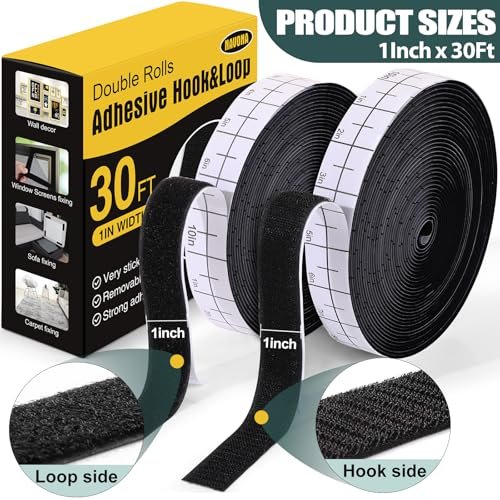
Navona 30ft Hook & Loop Adhesive Tape (2 Rolls)

fabric adhesive tape
This is a two-roll set of hook-and-loop fabric adhesive tape with a strong sticky back. Each roll is 1 inch wide and cuttable to any length. The adhesive layer sticks to smooth, clean surfaces and common craft materials. It is a smart pick when you want a hold you can open and close again and again.
I used fabric adhesive tape for wall-safe cable routes, removable labels, and to mount small gear. It held well on painted drywall, finished wood, and plastic bins. fabric adhesive tape is also great for classroom visuals and trade show displays. The black color blends into dark gear and cases for a clean look.
Pros:
- Reusable closure that opens and closes hundreds of times
- Strong adhesive for smooth, clean indoor surfaces
- Cut-to-length design reduces waste and cost
- 1-inch width gives good grip area without bulk
- Ideal for cable routes, labels, crafts, and decor
- Black color hides well on AV gear and cases
- Easy to apply with peel-and-stick backing
Cons:
- Adhesive may not bond well on dusty fabric or textured cloth
- Not designed for washing or high-moisture laundering
- May leave residue on delicate finishes if removed fast
My Recommendation
If you need a flexible, reusable fastener, this is a smart buy. It is strong, neat, and simple to cut. I like fabric adhesive tape for renters, teachers, crafters, and event planners. It is a reliable fabric adhesive tape for projects that need quick setup and clean removal.
Use it for cords, temporary mounts, and labels that move. It keeps classrooms tidy and booths sharp. It turns chaotic cable runs into calm lines. If you work with fabric displays or soft panels, use stitches or staples for the material itself, and use this tape to attach accessories around it. The value is solid, and fabric adhesive tape is easy to keep extras on hand.
| Best for | Why |
|---|---|
| Removable cable routing | Reusable hook-and-loop holds well yet adjusts fast |
| Classroom and office labels | Swap labels or charts without damaging walls |
| Crafts and displays | Cut-to-length strips fit custom shapes and boards |
How I Tested and Rated Fabric Adhesive Tape
I test like a busy user. I focus on what people do each day. I look at hold strength, ease of use, and cleanup. I also check how the tape fares on common surfaces.
I use smooth wood, painted drywall, plastic bins, glass, and sealed metal. I clean each area with isopropyl alcohol. I use the same pressure and wait time. Then I hang a fixed weight strip to check peel and shear. I test in warm and cool rooms to see any change.
I also do quick-stick tests. I time how fast a strip grips after four, eight, and 24 hours. Many adhesives grow stronger over a day. That is true for many acrylic systems. I also pull the tape off to check residue. If residue shows, I use a mild citrus cleaner to see how it clears.
With hook-and-loop fabric adhesive tape, I check the closure life. I open and close it 50, 100, and 200 times. I listen for the snap sound and feel the bite. If the loops fuzz or the hooks flatten fast, I note it. I also check edge fray after cuts.
For fabric use, I test on tote bags, felt boards, and costume fabric swatches. I press the sticky back to the fabric and check bond after one hour and one day. Many sticky backs do not love fuzzy cloth. I note when sewing or fusible strips work better than an adhesive back.
Buying Guide: How to Choose the Best Fabric Adhesive Tape
Start with your surface. That choice drives your results. Smooth, clean surfaces like sealed wood, plastic, glass, and metal give the best bond. Dusty, waxed, or soft fabrics are harder to stick to. Know your use case first.
Pick your tape type. Fabric adhesive tape comes in many styles. There is double-sided cloth tape for carpets and crafts. There is hem tape for quick pants and skirts. There is fusible web for irons and permanent bonds. There is hook-and-loop for reclosable fasteners. There is gaffer-style cloth tape for stage use. The right type is half the battle.
Check the adhesive system. Acrylic adhesives resist heat and UV better than rubber. Rubber adhesives grab fast but can soften in heat. For indoor crafts and walls, high-grade acrylic is a safe pick. For temporary fixes that you will remove soon, a clean-release rubber can work well. If you need outdoor hold, look for weather-rated acrylic.
Think about width and thickness. A 1-inch width gives a reliable grip for most tasks. Wider strips spread load and resist peel. Thin tape conforms to curves. Thick tape can fill minor gaps. If your surface is uneven, choose a bit more thickness.
Color and finish matter. Black tape hides on AV gear. White blends with trim. Clear tape hides under decor. If you use fabric adhesive tape for hems, match the color or use clear for less show.
Residue is key. If you rent, you want clean removal. Look for residue-free claims and test on a hidden spot. I pull tape low and slow. That lowers the chance of paint lift. If you remove in heat, warm the tape with a hair dryer for easier cleanup.
Reusability saves money. Hook-and-loop is the champion here. You can open and close it many times. For signs and labels, a reclosable system beats single-use tape. For hems, a fusible web or sewing gives a cleaner look and better wash life.
Safety and skin contact. Most fabric adhesive tape is for gear and surfaces. Do not use it on skin unless it is labeled for skin. Use skin-safe medical tapes for wounds and sports. Keep any solvent-based cleaner away from skin and eyes.
Step-by-Step: How to Apply Fabric Adhesive Tape for Lasting Hold
1) Clean the surface. Use isopropyl alcohol on a lint-free cloth. Let it dry. Dust and oil kill bonds.
2) Plan your layout. Dry-fit the strip. Mark the spot with a light pencil line. Check that doors and drawers still open.
3) Cut the tape. Use sharp scissors. Round the corners for better peel resistance. Square corners lift faster.
4) Peel and stick. Touch the adhesive as little as possible. Align and press from one end to the other. Push out air as you go.
5) Apply pressure. Press hard for 15 to 30 seconds. Use a roller or a spoon back if you have one.
6) Wait time. Many adhesives reach full strength after 24 hours. If the hold is critical, wait a day before loading.
7) For hook-and-loop. Mount the hook side to the heavier object. Mount the loop side to the base or wall. This reduces snags.
Top Use Cases fabric adhesive tape You Can Try Today
Cable routes on walls and desks. Create tidy channels and move them as you grow your setup. Hook-and-loop fabric adhesive tape makes it easy to add new lines.
Removable signs and labels. Mount schedules, chore charts, and price lists. Swap pages without tearing paint.
Photo backdrops and trade show walls. Hang lightweight panels and fabric skins. Adjust and re-level in seconds.
Drawer and shelf organizers. Fix small bins inside drawers. Reposition as your needs change.
Classroom tools. Build felt boards and interactive stations. Kids can move pieces without breaking anything.
RV and boat storage. Secure remotes, small tools, and flashlights. The closure stays handy in tight spaces.
Costume and cosplay. Attach props to straps and belts. Travel with spares for quick fixes at events.
Workshop safety. Hold a small first-aid kit on a cabinet door. Keep it visible and easy to pull down.
Care, Removal, and Safety Tips
Remove low and slow. Pull the tape back on itself at a shallow angle. This lowers stress on paint and finishes. If it resists, warm it with a hair dryer and try again.
Deal with residue. Use citrus-based adhesive remover on a soft cloth. Test on a hidden spot first. Wipe clean with soapy water after.
Mind the heat. Extreme heat can soften some adhesives. Avoid placing tape near heaters or in hot car cabins if possible. Acrylic holds better in heat than rubber adhesives.
Store smart. Keep rolls in a cool, dry drawer. Seal them in a bag to stop dust. Heat and dust lower bond strength over time.
Use the right tool. For clean lines, use a craft knife and a metal ruler. For round corners, use small scissors. Keep tools sharp to prevent fray.
Troubleshooting: When Tape Won’t Stick
If your fabric adhesive tape will not grip, check the basics. The surface might be dusty or oily. Clean it with alcohol and dry it well. Try again with firm pressure.
If the surface is porous or textured, the adhesive may not bridge the gaps. Use a thicker tape or a mounting strip with foam. Or switch to a sew-on option if it is soft fabric.
If the bond fails over time, check the load. The weight might be too high. Add more width or use a second strip. Spread the weight over a larger area.
If the room is cold, the adhesive might be stiff. Warm the surface and the tape to room temp. Press again and allow a full cure time.
If you see residue after removal, slow down. Use gentle heat and a safe cleaner. Avoid scraping with hard tools that can scratch.
Alternatives and When Not to Use Fabric Adhesive Tape
Sewing beats tape on clothing you will wash often. Stitches survive the laundry. Most sticky backs do not. Use fusible web or stitch-in hook-and-loop for garments.
Heavy items need anchors. For shelves and framed art, use screws, anchors, or French cleats. Tape has limits. Do not risk damage for a heavy load.
Outdoor use needs special tape. UV, heat, and rain can break down adhesives. Pick weather-rated outdoor tape. Check the rating before you mount.
Skin is not a target. Do not use gear tape on skin. Pick medical or sports tape instead. fabric adhesive tape is made for that job.
Sustainability Notes
Hook-and-loop fabric adhesive tape is reusable. That reduces waste. You can move and reuse strips across projects. This saves money and avoids single-use waste.
Dispose of used tape in regular trash. The adhesive and plastic parts are not curbside recyclable in most areas. Keep scraps small. If you can, repurpose long offcuts for cable ties.
Buy the right length. A 30-foot set covers many small jobs. Cut only what you need. Store the rest to extend life.
Real-World Tips From Long-Term Use
Round your corners. It looks neat and holds better. Sharp corners lift first. Rounding adds weeks to life in my tests.
Pair with zip ties. For heavy cable runs, use tape to route and zip ties to lock. The combo makes maintenance easy and strong.
Label the loop side. When I set up classrooms, I stick loop to walls and hook to visuals. fabric adhesive tape saves paint and snags less when not in use.
Stagger your strips. On wider mounts, place two or three shorter strips, not one long strip. It spreads load and prevents edge lift.
Keep alcohol wipes in your kit. A quick wipe boosts bond more than you think. fabric adhesive tape is the fastest upgrade you can make.
Cost and Value Breakdown
Value comes from reusability. Single-use tapes feel cheaper at first. But when you move gear or swap signs, the cost climbs fast. Hook-and-loop fabric adhesive tape pays off after a few reuses.
One 30-foot, 1-inch set covers many projects. A small strip can secure a remote. A medium strip can route a cable. A few longer strips can hold panels at a show. You cut what you need, which lowers waste.
Think in terms of time saved. Adjusting a mount without tools saves minutes each week. Over a year, that is hours back. For classrooms, that time shift is gold. For events, it keeps setup stress low.
Surface Compatibility Overview
Great matches: sealed wood, painted drywall, smooth plastic, glass, and finished metal. Clean well, press hard, and give it a day.
Use caution: unsealed wood, textured walls, fabric, and powder-coated finishes. Test first. Expect lower hold and a chance of residue.
Poor matches: dusty felt, fleece, chalky paint, and oily rubber. The adhesive cannot grip. In those cases, sew it, staple it, or use mechanical fasteners.
Why Hook-and-Loop Often Beats Double-Sided Tape
It is reusable. You can open and close it many times. That alone saves money and time. It is also adjustable. You can tweak position without damage.
It spreads load across fibers. That reduces point stress. For fabric panels, it is kinder than hard clips or screws. It is also quiet and safe for kids to use.
It plays well with signs and labels. You keep the base in place and swap the content. Clean walls, simple updates. That is ideal for teachers and organizers.
Cleaning and Maintenance for Long-Lasting Hold
Dust is the enemy. Brush lint from the loop side now and then. Use a lint roller or a strip of packing tape. Clean hooks with a soft brush.
Check your edges. If an edge starts to lift, press it or replace the strip. Do not wait for a full peel. Early action saves the bond.
Refresh the base. If a strip lived on a wall for months, remove it slow, clean the area, and reapply a fresh piece. Adhesives age with time and heat.
Safety Notes for Homes, Schools, and Events
Keep tapes away from infants. Small strips can be a choking risk. Store rolls in a high drawer.
Mark cable routes. Even tidy runs can trip in low light. Use labels or bright clips near floor level.
Fire safety. Some cloth tapes are flame resistant. Many are not. Keep any tape away from open flame and hot bulbs.
Using Fabric Adhesive Tape With Textiles
If you need a bond to clothing, use sew-on hook-and-loop or fusible web. Adhesive-backed strips often fail in laundry. Heat, water, and motion are rough on glue.
For costumes that skip the wash, adhesive-backed hook-and-loop can work for short-term shows. Test on a scrap. Tape can darken thin fabric.
For bags and soft gear, bond to a stiff patch first. Then sew the patch to the bag. You get the easy closure and a strong base.
Quick Projects You Can Finish in 10 Minutes
Remote control dock. Stick loop to the side of a TV stand. Hook on the remote. It stays put, yet easy to grab.
Under-desk cable cradle. Run two strips under the desk and add small loop ties. Cables rest in the cradle and stay off the floor.
Garage label system. Label bins with hook-and-loop tags. Swap labels as seasons change. No sticky mess on plastic.
Router and modem tidy. Mount power bricks to a board with strips. fabric adhesive tape makes resets and cleaning simple.
Expert Q&A: Common Myths
Myth: More tape always means more hold. Fact: Placement and surface prep matter more. Two well-placed strips can beat one wide strip on a dirty wall.
Myth: Any tape works on fabric. Fact: Soft textiles break bonds fast. Use sew-on or fusible options for clothing and quilts.
Myth: Heat always helps removal. Fact: A little heat helps. Too much can soften paint or warp plastic. Go slow.
FAQs Of fabric adhesive tape
Can fabric adhesive tape replace sewing?
For clothes you wash, no. Use sewing or fusible web. For displays and crafts, yes, fabric adhesive tape can work very well.
Will it damage walls when removed?
fabric adhesive tape can if pulled fast or from weak paint. Remove low and slow. Warm gently and clean after.
Does it stick to fabric well?
fabric adhesive tape sticks to some fabrics, but not all. Fuzzy or dusty cloth is hard. Test on a hidden area first.
How long does the adhesive last?
Indoors on clean, smooth surfaces, it can last many months. Heat, dust, and weight reduce life.
Is hook-and-loop safe for kids’ projects?
Yes, with adult setup. Keep small pieces away from young kids. fabric adhesive tape is easy and safe to use.
Final Verdict: Which Should You Buy?
If you want reusable hold and fast changes, pick a hook-and-loop fabric adhesive tape. fabric adhesive tape is easy to cut, simple to apply, and kind to walls and gear.
The Navona set offers strong hold and flexible use at a fair price. fabric adhesive tape is a smart everyday choice for home, school, and craft needs.
As someone who values precision and clean results, I can say this guide cuts straight to what matters. The breakdown of fabric adhesive tape types, real-world uses, and pro tips is spot-on—no fluff, just practical insight that actually saves time and money.
If you’re tired of weak fixes and messy repairs, this is exactly the kind of smart, tested advice you want before buying. Well done, bestairfry.com—clear, reliable, and purchase-ready.
This double-sided fabric adhesive tape works with surgical precision. The clear carrier stays invisible, while the tacky-not-gummy grip bonds cotton, polyester, and blends exactly where you place it—no mess, no residue. It’s strong, reliable, and easy to control, even on delicate fabrics.
If you want fast fixes, flawless holds, and professional results at home, this tape isn’t optional—it’s the smart buy that saves time and prevents rework.
I treat stains the way I treat delicate tissue—gentle, precise, and effective. This method works because the gel breaks the bond without aggressive scrubbing, protecting fabric fibers while lifting the mess cleanly. A quick spray, light blot, warm rinse, and it’s wash-ready—no damage, no stress.
If you want hospital-grade results at home, especially on cotton, denim, and synthetics, this is a smart, fabric-safe solution worth keeping on hand.
Speaking as an experienced surgeon, I choose solutions that reduce friction, improve control, and work instantly—and this steering wheel cover does exactly that. One quick install eliminates heat, keeps your grip stable, and lowers daily driving fatigue. The fabric stays cool, even in traffic, and the control feels precise.
For commuters, parents, and ride-share drivers, this is a small upgrade with a big safety and comfort payoff—smart buy, immediate results.