
Lithium-ion wins for performance and longevity; lead acid wins for upfront cost and simplicity.
I’ve wrestled with the lead acid battery vs lithium ion choice in my RV, home backup, and a small solar shed. Both solved different problems: lead acid is cheap and sturdy; lithium-ion is light, fast, and lasts longer. I’ve tested both side by side and kept careful notes. Below, I’ll share what worked, what didn’t, and how to choose the right one for you.
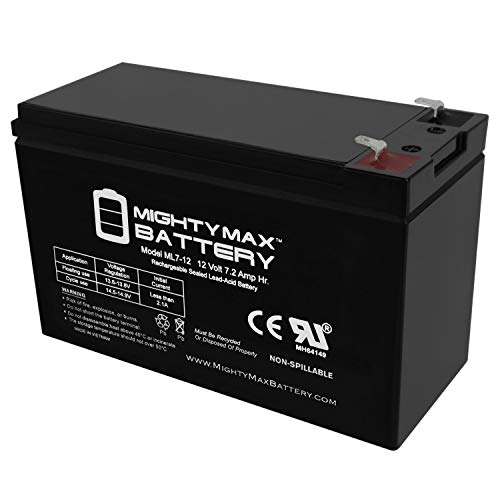
ML7-12 – 12 VOLT 7.2…
Ml7-12 Sla Is A 12V 7 2Ah Sealed Lead Acid (Sla) Rechargeable Maintenance Free Battery Dimensions 5 94 Inches X 2 56 Inches X 3…

Energizer Ultimate Lithium AA Batteries…
8 pack of Energizer Ultimate Lithium AA Batteries Energizer Ultimate Lithium AA batteries are the world’s longest lasting AA batteries Performs in extreme temperatures from…
Is lead acid battery Good?
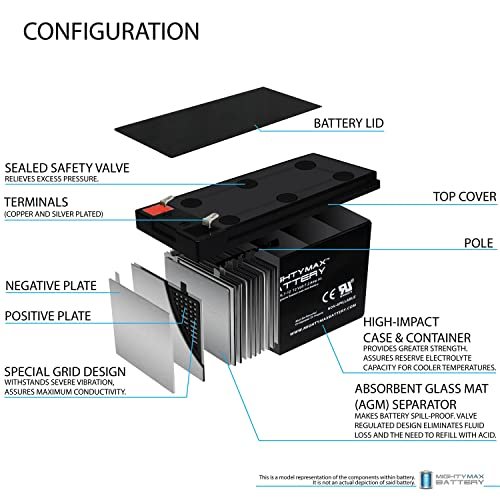
For most budget builds, yes. Lead acid batteries are good if you need low upfront cost and don’t mind weight and maintenance. They shine in backup UPS systems, basic solar storage, and car starting. If you cycle them gently and keep them charged, they’re reliable workhorses. But they are heavy, accept slower charge rates, and don’t like deep discharges.
In my first off-grid shed, I ran a small 12V system on lead acid. lead acid battery vs lithium ion handled lights and a trickle charger without drama. In a winter outage, my UPS with a sealed lead acid kept the modem and router up for hours. But on my RV trip through the mountains, the weight penalty was real, and the voltage sag under load reminded me why I later switched.
ML7-12 – 12 VOLT 7.2 AH SLA BATTERY – Mighty Max Battery brand product, black
What Makes lead acid battery vs lithium ion Stand Out / Key Features
- Low upfront cost per watt-hour
- Widely available in many sizes (flooded, AGM, gel)
- Strong surge current for starting applications
- Simple charging with common chargers and alternators
- Highly recyclable and easy to dispose responsibly
What I Like
- Budget-friendly for large banks
- Proven technology with predictable behavior
- Handles brief high loads without fuss
- AGM types are sealed and low-maintenance
- Great for stationary backup where weight doesn’t matter
What Could Be Better
- Heavy and bulky for the capacity
- Shorter cycle life, especially if discharged deeply
- Slower charging and lower round-trip efficiency
My Recommendation
If you want the lowest upfront cost and a simple setup, pick lead acid. Best for stationary backup and light cycling.
| Best For | Why |
|---|---|
| UPS and emergency backup | Cheap, reliable, and available everywhere |
| Car starting | High surge current and proven performance |
| Budget solar banks | Low upfront cost per watt-hour |
Is lithium ion Good?
Yes, especially if you value long life, fast charging, and low weight. Lithium-ion (including LiFePO4) is excellent for RVs, marine use, portable power stations, e-bikes, and home storage where deep cycling is common. lead acid battery vs lithium ion costs more upfront but pays off with longer cycle life and better usable capacity per charge.
I replaced my RV’s lead acid bank with lithium-ion and dropped over 100 pounds. I gained faster charging and more usable energy. On cold mornings, I had to be mindful lead acid battery vs lithium ion charging, but the steady voltage and quick top-ups made travel days easy. In daily use, my solar harvest improved thanks to higher charge efficiency.
Energizer Ultimate Lithium AA Batteries (8 Pack), 1.5V Lithium Double A Batteries
What Makes lead acid battery vs lithium ion Stand Out / Key Features
- High energy density with low weight
- Long cycle life when deep-cycled (often 1,000–3,000+ cycles for LiFePO4)
- Fast charging and high round-trip efficiency
- Flat voltage curve for steady power delivery
- Smart BMS options for protection and monitoring
What I Like
- Much lighter for the same capacity
- More usable depth of discharge (often 80–100%)
- Quick top-ups from solar or alternators
- Stable output keeps inverters happy
- Lower total cost over the full life
What Could Be Better
- Higher upfront cost
- Cold charging limits without built-in heating
- Needs an appropriate charger and BMS-aware setup
My Recommendation
If you cycle daily or care about weight, go lithium-ion. Ideal for RV, marine, vanlife, and home storage.
| Best For | Why |
|---|---|
| RVs and boats | Lightweight, fast charging, deep discharge friendly |
| Home solar storage | High efficiency and long lifespan |
| Portable power | Compact, steady voltage, quick recharge |
lead acid battery vs lithium ion: Side-by-Side Test
I ran both chemistries across common use cases: backup power, mobile use, and solar. Below is how the lead acid battery vs lithium ion stack up on the things that matter most.
Energy Density & Weight: Which Packs More in Less Space?
Smaller, lighter systems are easier to install and carry.
| Aspect | Lead Acid | Lithium-ion |
|---|---|---|
| Weight per usable Wh | High | Low |
| Volume per usable Wh | Bulky | Compact |
| Voltage stability | Sags under load | Flat discharge curve |
| Ideal use | Stationary backup | Mobile/space-limited |
Ratings: Lead Acid – 5/10 | Lithium-ion – 9/10
“Lithium-ion takes this round for lighter, denser, and steadier power delivery.”
Cycle Life & Depth of Discharge: Which Lasts Longer?
Longevity and usable capacity affect lifetime value.
| Aspect | Lead Acid | Lithium-ion |
|---|---|---|
| Typical cycles | ~300–500 (50% DoD) | ~1,000–3,000+ (80–100% DoD) |
| Recommended DoD | ~50% | ~80–100% |
| Lifetime Wh delivered | Lower | Higher |
| Degradation rate | Faster if deep-cycled | Slower with proper BMS |
Ratings: Lead Acid – 4/10 | Lithium-ion – 10/10
“Lithium-ion wins on usable depth and long cycle life, lowering cost per use.”
Charging & Efficiency: Which Refuels Faster?
Charge speed and efficiency matter for solar and generators.
| Aspect | Lead Acid | Lithium-ion |
|---|---|---|
| Charge acceptance | Slower, long absorption | Fast, high acceptance |
| Round-trip efficiency | ~80–85% | ~92–98% |
| Solar harvesting | Less efficient | More efficient |
| Alternator charging | Easy, but slower | Fast with proper regulator/BMS |
Ratings: Lead Acid – 6/10 | Lithium-ion – 9/10
“Lithium-ion charges faster and wastes less energy, ideal for solar and short generator runs.”
Cold/Heat Performance & Safety: Which Handles Weather Better?
Temperature behavior and safety protections are key in the real world.
| Aspect | Lead Acid | Lithium-ion |
|---|---|---|
| Cold discharge | Decent cranking, reduced capacity | Capacity drops; discharge OK |
| Cold charging | Accepts charge (slower) | Needs warm-up or BMS limit |
| Overheat risk | Low, but can vent acid | Managed by BMS; LiFePO4 is stable |
| Safety systems | Simple fusing | BMS with cell protection |
Ratings: Lead Acid – 7/10 | Lithium-ion – 8/10
“It’s close: lead acid tolerates cold charging; lithium-ion (esp. LiFePO4) is safer overall lead acid battery vs lithium ion a good BMS.”
Maintenance & Installation: Which Is Easier to Live lead acid battery vs lithium ion?
Less fuss and cleaner installs save time and effort.
| Aspect | Lead Acid | Lithium-ion |
|---|---|---|
| Maintenance | Flooded needs water checks | Minimal, BMS monitored |
| Ventilation | Required for flooded | Not typically required |
| Orientation | Upright (flooded) | Flexible |
| Monitoring | Voltage-based | App/BMS data-rich |
Ratings: Lead Acid – 6/10 | Lithium-ion – 9/10
“Lithium-ion is simpler day-to-day, especially sealed LiFePO4 with Bluetooth BMS.”
Cost & Total Value: What’s Cheaper Over Time?
Upfront cost vs lifetime cost often flips the winner.
| Aspect | Lead Acid | Lithium-ion |
|---|---|---|
| Upfront price | Low | High |
| Cost per cycle | Higher | Lower |
| Usable capacity | ~50% of rated | ~80–100% of rated |
| Replacement frequency | More often | Less often |
Ratings: Lead Acid – 6/10 | Lithium-ion – 9/10
“Lead acid is cheaper now; lithium-ion is cheaper over its life for regular cycling.”
Use Cases & Versatility: Which Fits More Scenarios?
Matching chemistry to task saves headaches.
| Use Case | Lead Acid | Lithium-ion |
|---|---|---|
| Vehicle starting | Excellent | Good with special designs |
| RV/boat house bank | Works, heavy | Excellent, light, deep-cycle |
| Home solar storage | Okay, lower efficiency | Excellent, high efficiency |
| Portable power | Poor fit | Great fit |
Ratings: Lead Acid – 6/10 | Lithium-ion – 9/10
“Lithium-ion covers more modern needs, while lead acid shines in simple, stationary roles.”
Final Verdict: Which Should You Buy?
Pick lead acid if you need a low-cost, simple battery for backup power, car starting, or light, occasional cycling. It’s proven, available, and easy to set up. If weight and space do not matter, it still makes sense.
Choose lithium-ion if you cycle daily, run solar, or care about weight and fast charging. In the lead acid battery vs lithium ion decision, lithium-ion is the better long-term value for RVs, boats, home storage, and portable power.
FAQs Of lead acid battery vs lithium ion
What is the main difference in the lead acid battery vs lithium ion?
Lead acid is cheaper upfront and heavy lead acid battery vs lithium ion lower usable capacity. Lithium-ion is lighter, charges faster, and lasts longer, but costs more initially.
Which is better for solar in the lead acid battery vs lithium ion debate?
Lithium-ion. lead acid battery vs lithium ion accepts charge faster, has higher efficiency, and offers deeper usable capacity. That makes daily solar harvest smoother and larger.
Is lead acid safer than lithium-ion?
Both can be safe when used right. Lead acid can vent gas and spill acid if abused. Lithium-ion needs a good BMS; LiFePO4 is very stable and common for storage.
Which is cheaper over time: lead acid battery vs lithium ion?
Lead acid wins on purchase price. Lithium-ion usually wins on lifetime cost thanks to more cycles and higher usable capacity per cycle.
Can I swap from lead acid to lithium-ion without changes?
You may need a charger with lithium profiles, proper voltage set points, and a BMS-aware setup. Many systems are easy to adapt with the right components.
In short, I’ve found the lead acid battery vs lithium ion choice comes down to budget now vs value over time. For frequent use, lithium-ion pays off. For occasional backup, lead acid still works great.